


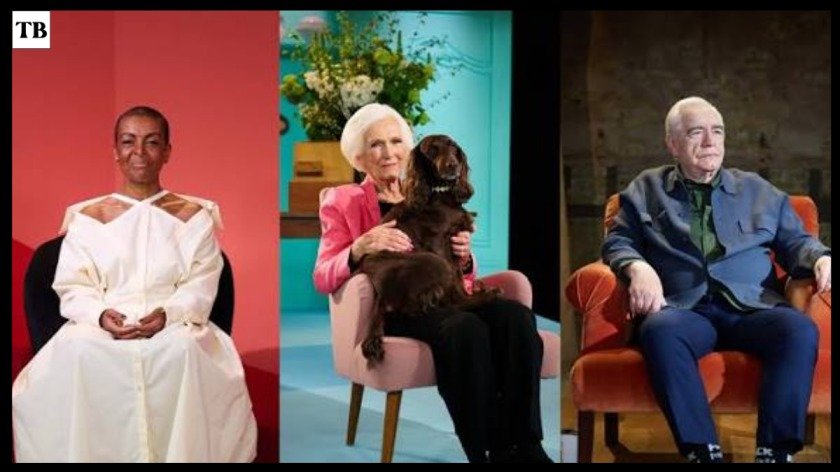
Artist of the Year – Portraits is a highly popular British TV contest, which is devoted to portrait painting. With its establishment, the TV show has gathered many artists who have to meet the task of painting a known sitter in a short period of time. Every participant should be able to find a balance between likeness, composition, colour, expression and style of painting in an effort under time restrictions. The programme has presented many gifted artists, celebrities and art specialists. From the first seasons to the recent season of 2026, it remains interesting for art enthusiasts and TV viewers.
What Is Portrait Artist of the Year?
Portrait Artist of the Year is a British television art competition that brings talented artists together to create portraits of well-known sitters under a strict time limit. The programme first launched in 2013 and quickly became a popular part of Sky Arts’ arts and culture schedule. Its central idea is simple, but the creative challenge is demanding. Contestants must study their sitter, plan a composition and produce a convincing finished artwork while working alongside other artists. This makes the programme interesting for both experienced art lovers and people who may never have studied painting. Rather than presenting art as something that only belongs in galleries, the series shows the process of creating a portrait from beginning to end.
Portrait painting involves much more than copying someone’s facial features. Artists need to consider proportions, expression, posture, lighting, colour, background and personality. Two contestants can look at exactly the same sitter and produce completely different paintings because each artist interprets the subject differently. One may prefer detailed realism, while another may use loose brushwork, unusual colours or a simplified composition. This variety is one of the strongest features of the competition. It also provides useful lessons for anyone learning to paint because viewers can see different solutions to the same artistic problem.
The programme combines art education with the excitement of a competition. Viewers can watch the paintings develop, compare different approaches and decide which artwork they prefer before the judges make their decision. The time pressure creates an additional challenge because artists cannot spend unlimited hours correcting their work. They must make decisions quickly and understand which parts of the painting deserve the greatest attention. This makes the show useful for aspiring artists as well as casual viewers. It demonstrates that successful portraiture depends on observation, planning, confidence and the ability to communicate something about the sitter.
Season 1 and Season 2: How the Competition Began
The first season introduced audiences to the basic format that would become associated with the programme. Artists were given the challenge of creating portraits of recognisable public figures while working within a limited amount of time. The early episodes established the importance of artistic interpretation, technical skill and competition. Contestants had to decide how to approach their sitter while also managing the pressure of producing a finished artwork. The first series is particularly interesting for people researching the history of the programme because it shows the foundations of a format that would later become much more established.
Season 1 also demonstrated the importance of having a range of artistic styles. The contestants did not all work in the same way, and their individual approaches could lead to dramatically different results. Some artists focused on accurate likeness, while others were more interested in atmosphere, colour or expressive marks. This helped show television audiences that portraiture is not restricted to one particular visual style. A portrait can be realistic, loose, abstract, colourful or highly detailed while still attempting to communicate the identity of the sitter.
Season 2 continued the format and helped establish the competition as a regular feature of British arts television. The early seasons are valuable for viewers who want to follow the development of the series from its beginning. Comparing the first and second seasons with later editions also reveals how the presentation, contestants and judging discussions developed over time. For aspiring painters, these early episodes can be particularly useful because they show artists working through the fundamental problems of portraiture. They also demonstrate that confidence and decision-making can be just as important as technical drawing ability.
Judges, Presenters and the People Behind the Show
The judging panel has always been one of the most important elements of the competition. Judges have to assess much more than whether a portrait resembles the sitter. They can consider composition, technique, colour, expression, originality and the overall effect of the artwork. This is important because a technically accurate painting is not necessarily the most successful artistic interpretation. A simpler portrait may have greater impact if it communicates personality or creates a strong visual atmosphere. The judges therefore help viewers understand why one painting may stand out from another.
The 2026 judging panel brings a major change to the programme. Jonathan Yeo, Eva Langret and Katy Hessel were announced as the new judges for the thirteenth series. Yeo brings professional experience as a leading portrait painter, while Langret contributes knowledge of contemporary art through her work as Director of Frieze London. Hessel brings expertise in art history, curating and broadcasting. Their different backgrounds provide three distinct perspectives on portraiture and contemporary art. This makes the latest judging panel particularly interesting for viewers who want to understand how professional artists and art specialists evaluate creative work.
The presenters also play an important role in making the competition easy to follow. Stephen Mangan is closely associated with the Artist of the Year television format and has presented the programme since 2018. He guides audiences through the painting sessions, introduces the artists and sitters and helps explain the decisions taking place during the competition. The programme also benefits from the conversations between contestants and celebrity sitters. These interactions reveal that portrait painting involves observing another person closely and deciding which elements of their appearance and personality should become part of the finished artwork.
The 2023 Series and the 2026 Edition
The 2023 series is an important point for people researching the recent history of the competition. By this stage, the programme had already developed a well-established format and a large audience. The combination of timed painting, famous sitters and professional judging remained central to the series. The 2023 edition also demonstrates the broad range of techniques that can be used in modern portraiture. Artists can work with traditional approaches while others may use expressive or contemporary methods to interpret their subjects.
The 2026 edition marks a significant new stage because it introduces a completely refreshed judging panel. Jonathan Yeo, Eva Langret and Katy Hessel bring different areas of expertise to the judging process, while Stephen Mangan continues as presenter. Sky announced that the thirteenth series would be filmed at Battersea Arts Centre in London, with the programme scheduled to air later in 2026. The new panel gives the latest edition a different perspective while retaining the familiar competition structure that audiences already know.
Comparing the 2023 series with the 2026 edition can therefore be useful for viewers who want to understand how the programme is changing. The central challenge remains focused on portrait painting, but the people evaluating the work have changed. A professional portrait artist may pay particular attention to technique and likeness, while an art historian or contemporary art specialist may focus more strongly on interpretation and artistic context. This mixture can create more varied conversations about the paintings and give contestants new ways to think about their work.
Winners, Cast and Celebrity Sitters
The winners from previous series demonstrate the variety of approaches that can succeed in the competition. Winning is not simply a matter of creating the most realistic portrait. Judges can consider the strength of the composition, the quality of the technique, the artist’s interpretation and the overall impact of the painting. This means that different styles can potentially succeed. Looking at winning paintings can therefore be useful for students and developing artists because it shows how successful contestants combine observation with individual artistic decisions.
People searching for the cast should remember that this is not a scripted drama with a conventional acting cast. The programme features judges, presenters, competing artists and celebrity sitters. Each group has a different role in the competition. Artists create the portraits, judges assess them, presenters guide viewers through the episodes and sitters provide the subjects. This combination gives the programme its distinctive character. It also means that the people appearing on screen can change considerably from one episode or series to another.
Celebrity sitters are especially important because they provide viewers with a familiar reference point. Previous sitters highlighted by Sky include Sir Ian McKellen, Dame Judi Dench, Sir Tom Jones, Jodie Comer, Yungblud, Nile Rodgers, Benjamin Zephaniah, Brian Cox and Michaela Coel. A familiar face allows viewers to consider whether an artist has captured not only physical likeness but also personality. The challenge is therefore more complex than simply reproducing a photograph. Artists need to decide what makes their sitter distinctive and how that quality can be expressed visually.
Benefits, Pros and Cons of Watching the Programme
One of the biggest benefits of watching the programme is that it provides an accessible introduction to portrait painting. Viewers can observe artists working through problems involving proportion, composition, colour and lighting. This can be particularly helpful for beginners because they can see that a finished painting is built through several stages. The programme also demonstrates the importance of making decisions early and managing time effectively.
Key benefits include:
- Learn different portrait painting techniques.
- Understand composition, colour and lighting.
- Discover new British artists and creative styles.
- See how artists work under pressure.
- Improve your understanding of artistic judgement.
- Find inspiration for your own artwork.
- Compare realistic and expressive approaches.
Another advantage is the variety of artistic approaches. Watching several contestants respond to similar challenges makes it easier to understand how personal style develops. Viewers can compare realistic, expressive and contemporary methods without needing specialist knowledge. Art students can also use episodes as informal study material by observing how contestants organise their time and respond to problems.
There are some limitations too. The four-hour challenge is designed for television and does not represent every professional portrait commission. In real life, an artist may spend much longer developing a portrait. Television editing also means viewers cannot see every decision made during the process. Judging is partly subjective, so viewers may prefer a painting that does not win. Nevertheless, these limitations do not remove the programme’s value as entertainment, inspiration and an introduction to portrait art.
Frequently Asked Questions
Will there be a 2026 series?
Yes, the 2026 series is confirmed as the thirteenth season, with a new judging panel.
Where can I watch the UK series?
It is available through Sky Arts, with selected episodes available on Sky’s streaming services.
Has Kate Bryan left the programme?
Yes, Kate Bryan is no longer part of the judging panel for the 2026 series.
Was there a season 12?
Yes, season 12 has already aired as part of the long-running art competition.
Who presents the programme?
Stephen Mangan is the current presenter and has hosted the programme since 2018.
Conclusion
The painting of portraits is still a very interesting fusion of observation, creativity, and self-expression. Through this series, people have been introduced to some really skilled painters, as well as the difficulty of producing portraits within the limited time frame. From the first few seasons to the recent season of 2026, the show has managed to gain popularity through its painters, celebrities, judges, and hosts. With the new judging panel, a fresh outlook on the show has emerged. For the artist in you, the lover of art or the TV show lover, the show has something to offer.