


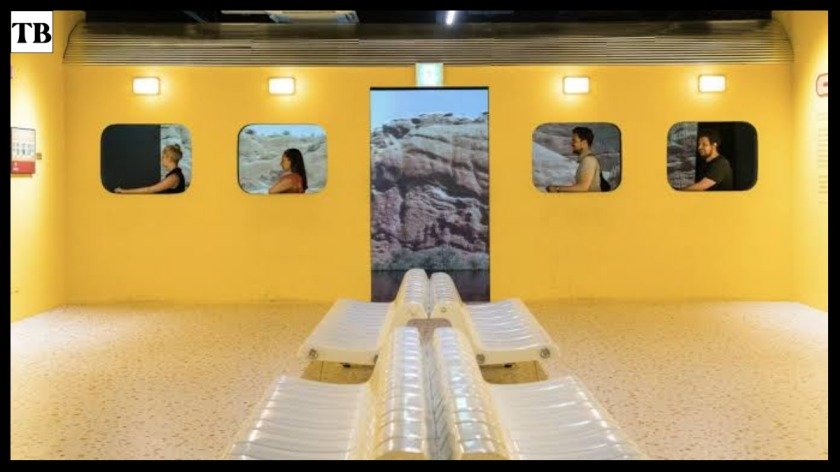
The Wes Anderson Exhibition at the Design Museum in London gives visitors a wonderful chance to explore the world behind the creation of one of the most distinctive visual aesthetics in cinema. Comprised of hundreds of objects that have been used in the making of his movies, the exhibition looks into how Anderson’s films are made using storyboards, costumes, props, miniature sets, puppets, drawings and production design. The exhibition is useful for people who enjoy watching The Grand Budapest Hotel, Fantastic Mr. Fox, Isle of Dogs and Asteroid City and want to learn more about how cinematic worlds are made.
What Is the Wes Anderson Exhibition?
Wes Anderson: The Archives explores more than 30 years of Anderson’s filmmaking. The Design Museum created the exhibition with la Cinémathèque française. It brings together more than 700 objects from Anderson’s personal archive. Many items show the work that happens before a film reaches the screen.
Visitors can see storyboards, sketches, handwritten notes, Polaroids and drawings. They can also see costumes, puppets, props and miniature models. These items show how Anderson plans his films in great detail. They also reveal how his creative team turns simple ideas into complete film worlds.
The exhibition looks at several stages of Anderson’s career. Visitors can compare early films with his newer work. They can also spot ideas that appear across many productions. Symmetry, colour, costumes, typography and miniature sets all play an important role. The exhibition shows how these elements help create Anderson’s recognisable style.
Where Is the Exhibition in London?
The exhibition takes place at the Design Museum, 224–238 Kensington High Street, London W8 6AG. The museum sits in Kensington and offers a convenient location for a London day out. Visitors can combine the exhibition with other attractions in the area.
High Street Kensington is one of the most convenient Tube stations for the museum. The venue also works well for visitors who want to explore west London. Plan your route before travelling, especially if you have a timed ticket or another attraction booked later.
The Design Museum makes a fitting home for the exhibition. Anderson’s films use many design elements to create their visual identity. Architecture, costumes, graphic design, animation and typography all matter. The museum setting helps visitors look at these features from a design point of view.
Tickets, Prices and Booking Information
People searching for Wes Anderson exhibition tickets should consider booking before their visit. Adult admission starts from around £20.69. Tickets for children aged 6–15 start from around £10.35. Concession and student tickets start from around £15.52. Children under six can enter free. Prices may change, so check the current price before booking.
Advance booking makes sense during busy periods. Weekends and school holidays can attract more visitors. Booking also helps people travelling from outside London. You can choose a suitable time and plan your transport around your visit.
Remember to consider the full cost of your trip. Travel, food and merchandise can add to your budget. Families should check the total cost before booking. For dedicated fans, the ticket may offer good value because the exhibition contains original material from Anderson’s filmmaking career.
Opening Times and 2026 Dates
The exhibition currently follows the Design Museum’s opening schedule. It opens from 10am to 5pm Monday to Thursday and 10am to 6pm Friday to Sunday. On Saturdays, visitors can stay until 7pm. These longer weekend hours give visitors more choice.
Check the latest opening information before travelling. Museum schedules can change because of special events or other arrangements. This matters most if you have travelled a long distance. It also helps if you have other plans for the same day.
The key date for visitors is 16 August 2026. The London exhibition currently plans to close on that date. It is a temporary exhibition, so visitors should not expect the collection to stay in London after the closing date. Book ahead if you want to visit before the exhibition ends.
What Can You See Inside?
The collection contains hundreds of objects from Anderson’s filmmaking career. Visitors can see storyboards, drawings, paintings, notebooks and Polaroids. The exhibition also includes costumes, props, puppets and miniature models. Each item gives a different view of the filmmaking process.
The displays cover several popular films. The Grand Budapest Hotel shows Anderson’s love of detailed architecture and miniature sets. Fantastic Mr. Fox and Isle of Dogs highlight his stop-motion work. Asteroid City offers another example of his use of colour, scale and stage design.
Do not focus only on the biggest objects. Small drawings and production notes can tell interesting stories. A storyboard can show how Anderson planned a scene. A Polaroid can reveal what a set looked like during production. These details make the exhibition useful for anyone who wants to understand how films come together.
Exhibition Highlights
The Grand Budapest Hotel model is one of the major highlights. The miniature shows the care that goes into Anderson’s fictional locations. Visitors can study details that may only appear for a few seconds in the film. The model also shows how production design can shape a story.
The stop-motion puppets provide another strong highlight. Fantastic Mr. Fox and Isle of Dogs both rely on detailed puppet work. Seeing the puppets in person gives visitors a better sense of their size and construction. It also shows the skill required to create believable movement.
Other displays feature material from Asteroid City and Anderson’s newer work. The objects show how he uses colour, costumes, props and sets together. They also reveal how his visual style has changed over time. Fans can compare different films while spotting familiar design ideas.
How Long Does It Take to See the Exhibition?
Most visitors should allow 90 minutes to two hours. This gives you enough time to explore the main displays. You can also read the information and study the objects without rushing. Visitors who enjoy detailed exhibitions may want even more time.
Film fans may spend longer at displays linked to their favourite movies. Animation fans can spend extra time with the puppets and miniature sets. Design students may focus on colours, typography and production design. Your interests will therefore affect how long you stay.
If you plan other activities in London, leave some extra time after your visit. Do not book another attraction too close to your exhibition slot. You may find an interesting object and want to stay longer. Extra time also gives you a chance to visit the exhibition shop.
Is the Exhibition Worth Visiting?
The exhibition is worth visiting for fans of Anderson’s films. It gives visitors access to original objects that they normally only see on screen. The collection shows how the director and his creative team develop their ideas. It offers much more than standard movie memorabilia.
Students and creative professionals can also learn from the displays. Film students can study storyboards and production planning. Animation students can examine puppets and miniature sets. Designers can look at colour, typography, costumes and visual balance.
Casual visitors may feel less interested if they do not know Anderson’s films. The exhibition also uses a traditional museum format. It does not offer the same type of interaction as an immersive attraction. However, people who enjoy film, design and creative work should find plenty to explore.
London Review: Pros and Cons
The strongest part of the exhibition is its collection of original material. Visitors can see real objects from the filmmaking process. These objects feel more interesting than simple photographs or posters. They also show the amount of work that goes into each production.
Another advantage is the range of creative subjects. Film fans can enjoy the movie references. Designers can study the visual details. Animation fans can explore the puppets and models. Students can also learn about planning, production design and visual storytelling.
The main disadvantages involve price and crowds. Tickets may feel expensive for people with little interest in Anderson. Busy sessions may also make popular displays harder to study. Some visitors may prefer a more interactive attraction. For dedicated fans, however, the original archive gives the exhibition strong appeal.
Exhibition Shop and London Merch
The Wes Anderson exhibition shop gives visitors a chance to buy souvenirs after exploring the galleries. The Design Museum sells exhibition-related products alongside its wider design range. Stock can change during the exhibition, so a particular item may not always remain available.
People looking for Wes Anderson exhibition London merch can find products inspired by the exhibition. The range can include books, prints, notebooks, jewellery, fashion items and limited-edition products. Prices vary, so visitors can choose something that fits their budget.
The exhibition book can make a useful choice for serious fans. It lets you explore Anderson’s work after leaving the museum. The book includes archive material and information about his filmmaking process. Visit the shop after the exhibition so you can choose a souvenir based on your favourite displays.
Why People Choose to Visit
Many visitors come because they love Anderson’s films. The exhibition lets them see real objects from films they already know. It creates a connection between the finished movie and the creative work behind it. Fans can also discover details they may have missed while watching the films.
Other visitors come because they enjoy design. Anderson uses colour, symmetry, costumes, architecture and typography in distinctive ways. The exhibition lets visitors study these features in more detail. This makes it useful for anyone who enjoys visual culture.
Students and creative workers can also gain inspiration. They can see how many small decisions can create a strong visual identity. The same idea works outside film. Designers, photographers and marketers can use similar principles when creating their own visual projects.
Benefits for Film Fans, Students and Designers
Film fans gain a better understanding of the work behind Anderson’s movies. The exhibition shows planning documents and physical objects. These items reveal how a director develops a scene before the audience sees it. They also show the role of the wider creative team.
Students can use the displays as practical examples. Film students can study storyboards and planning. Animation students can examine puppets and miniature sets. Design students can look at typography, colour and composition. The exhibition can provide ideas for university projects and personal portfolios.
The exhibition also shows the value of visual consistency. Anderson’s films often use sets, costumes and props that belong to the same visual world. This approach works in many creative fields. A strong brand, website or advertising campaign can also benefit from a clear visual identity.
Pros and Cons of Visiting
One major benefit is the number of original objects. Visitors can study real costumes, puppets, props, models and drawings. These objects reveal details that can disappear on a cinema screen. They also give the exhibition a strong sense of authenticity.
The wide range of material provides another advantage. Different visitors can focus on different areas. Animation fans can explore puppets. Designers can study visual details. Film fans can connect objects with famous scenes. This variety helps the exhibition appeal to a broad audience.
The main drawbacks include the ticket price and possible crowds. People who know little about Anderson may not enjoy every section. Visitors who prefer interactive attractions may also find the format too traditional. However, these issues matter less if you already enjoy Anderson’s work or have an interest in design.
Is It Worth the Ticket Price?
The value depends on your interests. A dedicated fan will probably get more from the exhibition than someone who has never watched Anderson’s films. The collection contains enough original material to give fans a deeper view of his work. It also helps explain why his films look so different from mainstream productions.
Seeing the objects in person adds another level of interest. A miniature set can reveal details that disappear on screen. A puppet can show how an animated character takes shape. A storyboard can explain how Anderson planned a scene. These experiences help visitors understand the filmmaking process.
You can also make the ticket more valuable by preparing before your visit. Watch a few Anderson films first. Think about their colours, sets and characters. Then look for similar ideas inside the exhibition. Allow at least two hours if you want a relaxed visit. This approach can make the experience more rewarding.
Practical Tips Before Your Visit
Planning ahead can make your visit easier and more enjoyable. Weekend sessions can become busy, especially during holidays and near the exhibition’s closing date. Check your ticket time before travelling and leave enough time for your journey.
Watching a few Anderson films before your visit can also improve the experience. You will recognise more characters, props and design details. You can then spend more time studying the creative work behind each film.
Keep these practical points in mind:
- Book tickets early if you plan to visit during a busy period.
- Check opening times before leaving home.
- Allow 90 minutes to two hours for the exhibition.
- Watch a few Anderson films before your visit.
- Look closely at smaller objects, such as drawings and storyboards.
- Leave time for the exhibition shop after exploring the galleries.
- Plan your transport if you have other London activities booked.
- Visit before 16 August 2026, the current scheduled closing date.
These simple steps can help you enjoy the exhibition without feeling rushed. If you want to explore every display carefully, allow extra time. A relaxed visit will also give you more time to appreciate the smaller details.
Frequently Asked Questions
Where Is the Wes Anderson Exhibition in London?
The exhibition is held at the Design Museum on Kensington High Street, London.
It features original props, costumes, storyboards, puppets, models and archive material.
Is the Wes Anderson Exhibition Worth Visiting?
Yes, it is a good choice for film fans, designers, students and animation enthusiasts.
The displays provide an interesting look at the creative process behind Anderson’s films.
How Long Will the Wes Anderson Exhibition Be in London?
The London exhibition is currently scheduled to continue until 16 August 2026.
Visitors should plan ahead because it is a temporary exhibition.
How Long Does It Take to See the Wes Anderson Exhibition?
Most visitors should allow around 90 minutes to two hours for a comfortable visit.
Fans and creative students may want additional time to study the detailed displays.
What Can You Buy at the Wes Anderson Exhibition Shop?
The shop offers exhibition-related merchandise such as books, prints, notebooks and design products.
The selection can change throughout the exhibition, so particular items may not always be available.
Conclusion
The exhibit 2026, created by Wes Anderson, allows one to get a rare glimpse into the creative, design and crafting processes of the modern cinema’s unique movies. Storyboards, miniature sets, costumes, puppets and props – all of them are exhibited in order to demonstrate the way Anderson creates his imaginary world. It would be especially interesting for the movie lovers, designers, students, photographers and animation amateurs to see the whole process from the creation till the final screen image. At the same time, the location of the exhibit in the Design Museum allows one easily combine it into the London sightseeing program.