


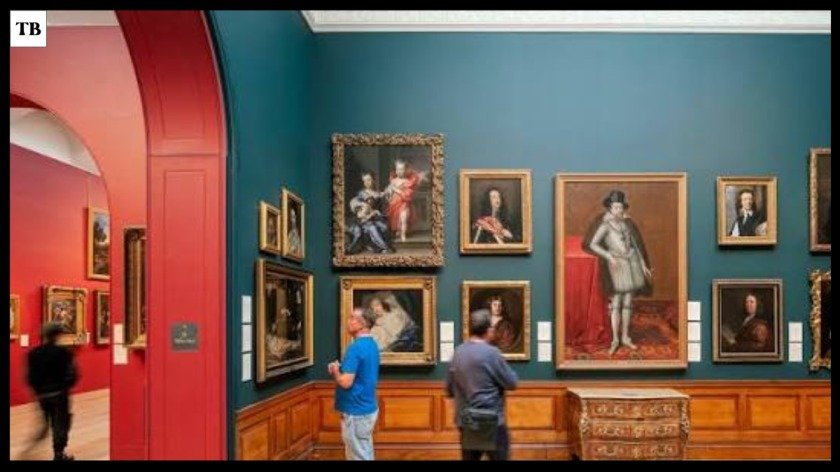
Dulwich Gallery is among the most unique art galleries in London, featuring European masterpieces, impressive architecture, and family-oriented events. Based in south London, this gallery provides guests with an opportunity to view paintings by such masters as Rembrandt, Rubens, Gainsborough and Canaletto, located within the impressive gallery constructed by Sir John Soane. Apart from the permanent exhibition, visitors will have the opportunity to enjoy temporary exhibitions, Sculpture Garden, ArtPlay events, and dining opportunities. If you are thinking about spending an unforgettable day in London, this guide is just what you need. Learn about the tickets, 2026 exhibitions, parking,
History, Architecture and Famous Collection
The history of this south London gallery is unusually fascinating. Its collection originated with art dealers Noel Desenfans and Francis Bourgeois, who were commissioned in 1790 to assemble a royal collection for Stanislaus Augustus, King of Poland. Political changes meant the original plan could not be completed, leaving the paintings in London. After Desenfans died, Bourgeois eventually left the collection to Dulwich College, together with money intended to establish a gallery. This unusual journey transformed what had begun as a royal collecting project into an institution designed to make important paintings accessible to the public. The story is significant because it connects European collecting, British cultural history and the development of public art institutions.
The building is equally important. Sir John Soane designed the venue specifically for displaying paintings, rather than adapting an existing palace or private house. It opened to the public in 1817 and became an influential example of purpose-built gallery architecture. Soane carefully considered how visitors would move between rooms and how natural daylight would illuminate the paintings. Roof lanterns introduce light from above, while arches and connected galleries create carefully framed views. This design gives the interiors a distinctive atmosphere and makes the building part of the collection experience. Visitors interested in architecture should therefore resist the temptation to focus entirely on the paintings, because details of the rooms, windows, arches and lighting reveal why the building remains historically important.
The permanent collection contains more than 600 paintings, with particular strengths in European Old Master art. Visitors can encounter important works associated with Rembrandt, Rubens, Gainsborough, Canaletto, Van Dyck and Poussin. Rembrandt provides an excellent opportunity to examine portraiture, emotion and dramatic use of light. Gainsborough represents an important period in British portrait painting, while Canaletto’s city scenes are especially interesting for anyone fascinated by architecture and urban life. Rubens offers a contrasting approach through movement, colour and dramatic compositions. Rather than attempting to see every painting quickly, visitors can choose several works and examine them carefully. Looking at facial expressions, clothing, objects, landscapes and lighting can reveal details that are easy to miss during a rushed museum visit.
Dulwich Picture Gallery Tickets, Prices and Is It Free?
Understanding Dulwich Gallery tickets is important because admission depends on whether you want to see the permanent collection, a temporary exhibition or both. Current collection admission is listed at £10 for adults with a donation, while under-18s can enter the collection free. Concessions are available for eligible visitors, and temporary exhibitions generally have their own prices. This means visitors should think about their priorities before booking. Someone interested mainly in the Old Masters and architecture may find collection admission sufficient, while someone travelling specifically for a major exhibition should compare the exhibition ticket options. Prices and offers can change during the year, particularly when new exhibitions or special programmes are introduced.
One of the most frequently searched questions is “Is Dulwich Picture Gallery free?” The answer depends on which part of the site you want to experience. Standard adult admission to the permanent collection is not generally free, although under-18s can visit the collection without paying. The Sculpture Garden and grounds are also free to explore, and the venue holds selected free events and activities during the year. This makes the attraction flexible for visitors with different budgets. A family could choose to pay for adults to enter the collection while children visit free, then spend additional time outdoors without another admission charge. Someone simply exploring the local area can also enjoy the grounds without buying an indoor ticket.
Temporary exhibition admission can provide additional value because exhibition tickets can include access to the permanent collection and displays. Visitors should therefore compare the available ticket categories rather than automatically choosing the lowest-priced option. Under-30 visitors can also benefit from a 50% exhibition ticket discount after joining the relevant offer. Families should check the current arrangements for children because admission rules can make a noticeable difference to the total cost of a day out. Advance booking is sensible for popular exhibitions and busy periods. The final price should always be confirmed before travelling, but the current structure gives visitors several ways to create an experience that matches their budget, interests and available time.
Dulwich Picture Gallery Exhibitions 2026 and Things to See
The Dulwich Picture exhibitions 2026 programme gives visitors reasons to return throughout the year rather than treating the venue as a one-time attraction. Portrait of a City: A Century of American Photography runs from 28 July to 4 October 2026 and explores American urban life through photography. Later in the year, Hokusai: Thirty-six Views of Mount Fuji from the Iuchi Collection is scheduled from 20 October 2026 to 17 January 2027. Another major programme highlight is Charlie Mackesy: The Boy, the Mole, the Fox, the Horse…and You, scheduled from 3 November 2026 to 7 February 2027. These exhibitions introduce subjects and artistic approaches that are different from the permanent Old Master collection, creating a broader cultural programme.
The changing exhibitions are particularly useful for repeat visitors. Someone who has already explored the permanent collection can return to see a new photography display, Japanese prints or contemporary illustration. Each exhibition creates a different reason to visit and can attract audiences who may not normally consider themselves interested in historic European painting. Photography encourages visitors to think about people, cities and social change, while Hokusai provides an opportunity to explore Japanese printmaking and the repeated depiction of Mount Fuji. Charlie Mackesy’s work offers another contrast through its contemporary illustrations and accessible themes. Visitors planning a trip around a particular exhibition should always check the latest dates, admission arrangements and availability before travelling.
The permanent collection should still be included even if a temporary exhibition is your main reason for visiting. Allow time to explore the historic rooms and look for works by major artists as well as less familiar names. The Sculpture Garden provides another change of pace and connects art with an outdoor environment. The grounds are currently free to explore, while the Sculpture Garden is open daily from 8am to 5pm. A typical visitor may need around two to three hours to experience the collection, building and outdoor areas comfortably. Visitors attending a major exhibition, travelling with children or studying individual works in detail may want longer. Rather than counting how many paintings you see, focus on how much you remember afterwards.
Dulwich Picture Gallery Parking, Map and How to Get There
Planning Picture Gallery parking is worthwhile if you intend to drive. Current visitor information states that free parking spaces are available on Gallery Road and College Road, while paid parking is available in nearby Dulwich Park. There are four accessible parking bays on Gallery Road, with further accessible spaces in Dulwich Park. Blue Badge holders can park free in the designated accessible spaces. However, parking availability can vary, particularly during weekends, school holidays and popular exhibitions. Drivers should therefore allow extra time and avoid assuming that a convenient space will always be available immediately outside the venue. Having an alternative plan can make the journey much less stressful.
For visitors searching for a Picture Gallery map, the venue is located on College Road in Dulwich, south London, with access from College Road and Gallery Road. Public transport is an attractive alternative to driving. West Dulwich and North Dulwich are among the nearest National Rail stations, and both are roughly a ten-minute walk away. Trains connect the area with London Victoria and London Bridge, while bus services including the P4, 3, 37 and P13 serve the surrounding area. Journey times naturally depend on your starting point, so visitors should check their route before leaving. Using public transport can be especially useful during busy exhibition periods when nearby parking may be more difficult.
Driving visitors should also consider London’s environmental and traffic regulations. Gallery Road is within the 24-hour Ultra Low Emission Zone, while Dulwich Village has restrictions associated with its Low Traffic Neighbourhood. These arrangements can make driving more complicated for visitors who do not regularly travel through south London. Checking the current rules before setting off is sensible and can help avoid unexpected charges or delays. For tourists staying in central London, public transport may be the simplest option. The journey also provides an opportunity to explore a quieter part of the capital. Visitors can combine their museum trip with a walk through Dulwich Village or nearby parkland, turning a single attraction into a wider south London day out.
Dulwich Picture Gallery Café, Family Facilities and Soft Play
The Dulwich Gallery café makes the venue more convenient for visitors who want to spend several hours on site. Current information lists café opening hours as Tuesday to Saturday from 8am to 5pm and Sunday from 9am to 5pm, with the café closed on Mondays. Family facilities include a children’s menu and high chairs, which can be useful for parents travelling with younger children. Families are also allowed to bring packed lunches and picnic on the grounds when conditions are suitable. This flexibility means visitors do not necessarily need to leave the area when children become hungry. A meal or snack break can also make a longer museum visit much more manageable.
There is also a family-focused Canteen offering grab-and-go options such as children’s lunch boxes, sandwiches and drinks. This can be particularly useful for parents combining the collection with the ArtPlay Pavilion. People searching for Dulwich Gallery soft play should understand that the venue’s offering is different from a conventional commercial soft-play centre. The ArtPlay Pavilion is an immersive sensory play environment aimed at babies, toddlers and children under eight. It uses creative spaces inspired by ideas connected with art and nature, encouraging children to move, explore and interact. This makes it an appealing choice for families who want to introduce children to art through active experiences rather than expecting them to spend a long time looking at paintings.
ArtPlay sessions are currently listed at £8 per child until 1 September 2026, although parents should check the latest information before booking because prices and schedules can change. The pavilion provides younger children with an activity that can be combined with the permanent collection, outdoor sculpture and family events. Other family programming can include creative sessions, storytelling and Art Sundays, depending on the current calendar. This makes the venue particularly flexible for families. Parents can divide the day into shorter activities instead of expecting children to remain focused inside the galleries for hours. A family itinerary could include selected paintings, ArtPlay, lunch at the café and time in the Sculpture Garden.
Benefits, Pros and Cons: Is Dulwich Picture Gallery Worth Visiting?
One of the biggest advantages is the quality of the permanent collection. Visitors can see important European paintings associated with internationally recognised artists without navigating the enormous distances found in some of London’s largest museums. The building adds another layer because the paintings are displayed in an environment designed specifically for art. The atmosphere is generally more intimate and easier to manage, making it attractive to visitors who prefer thoughtful viewing rather than trying to see hundreds of rooms. The south London setting is another advantage. It provides an opportunity to explore a different side of the capital while combining art, architecture, outdoor space and local culture.
Families have additional reasons to consider the venue. Under-18s can visit the collection free, while the ArtPlay Pavilion provides an activity specifically designed for younger children. The free outdoor grounds and Sculpture Garden create space for breaks, and the café provides food options for adults and children. The venue can therefore accommodate several different types of visitors within one trip. Architecture enthusiasts can focus on Soane’s design, art lovers can spend time with the Old Masters, families can prioritise ArtPlay and outdoor activities, and tourists can use the visit as a starting point for exploring Dulwich. The changing exhibition programme also means the experience can be different on a return visit.
Pros
- Important European Old Master paintings.
- Works associated with Rembrandt, Rubens, Gainsborough and Canaletto.
- Historic Sir John Soane architecture.
- Manageable size compared with huge London museums.
- Temporary exhibitions throughout the year.
- Free Sculpture Garden and grounds.
- ArtPlay Pavilion for younger children.
- Free collection admission for under-18s.
- Café and family-friendly food options.
- Parking facilities for drivers.
- Accessible visitor facilities.
- Peaceful south London setting.
Cons
- Smaller collection than the largest London museums.
- The main gallery normally closes on Mondays.
- Temporary exhibitions can cost more.
- Parking availability can vary.
- Local driving restrictions require planning.
- It takes longer to reach from some central London locations.
- ArtPlay is sensory and creative play rather than conventional commercial soft play.
Overall, the advantages are likely to outweigh the disadvantages for most visitors interested in art, architecture or family activities. The venue is particularly worthwhile for people who value quality over quantity. It may not satisfy someone who wants thousands of objects from every period of world history, but that is not its purpose. Its strength comes from concentration, atmosphere and the relationship between the building and collection. Visitors can spend meaningful time with individual works instead of rushing through a vast museum. The combination of art, architecture, family facilities, outdoor areas and temporary exhibitions also makes it suitable for a wider audience than the permanent collection alone might suggest.
Frequently Asked Questions
Is the Dulwich Gallery free?
Adults usually pay for collection entry, while under-18s can enter free. The Sculpture Garden and grounds are also free to visit.
Who is buried at Dulwich Picture?
Sir Francis Bourgeois is buried in the gallery’s mausoleum. His bequest played an important role in establishing the collection.
What exhibition is currently on at Dulwich Gallery?
Portrait of a City: A Century of American Photography is showing from 28 July to 4 October 2026. It explores a century of American photography and urban life.
Can I use my Art Pass at Dulwich Picture?
Yes, Art Fund members can visit the permanent collection free with a valid Art Pass. Exhibition tickets may have separate conditions.
How long does it take to visit Dulwich Gallery?
Allow around two hours to explore the permanent collection comfortably. Add extra time for exhibitions, ArtPlay, the Sculpture Garden or the café.
Conclusion
The Dulwich Picture Gallery provides an interesting visit in London to those who are passionate about art. It is also ideal for visitors who like historic architecture as its building was designed by Sir John Soane. The gallery has a magnificent collection of European art, exhibitions, a Sculpture Garden and ArtPlay program, which means that there is something for everyone. Moreover, visitors can benefit from such amenities as family friendly services, a café and parking. Due to the small size of the gallery, one will not feel overwhelmed visiting a large museum. It is definitely worth a visit in south London.