


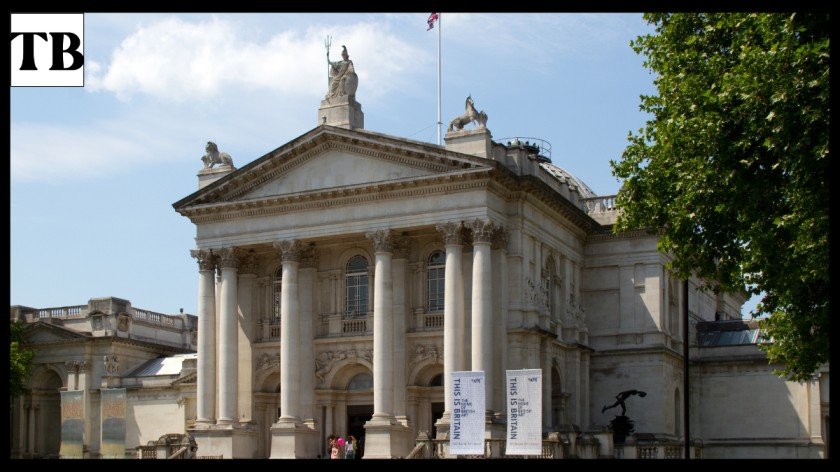
London is home to countless museums, but Tate offers an art experience that feels easy to enjoy, even if you are not an expert. Tate Modern at Bankside is known for bold contemporary art, photography, film and large installations, while Tate Britain at Millbank explores centuries of British creativity. Both galleries have their own atmosphere, collections and riverside setting. Entry to the main displays is free, although some temporary exhibitions require tickets. Whether you are visiting for culture, inspiration or a relaxed day out, this guide will help you choose the right gallery and plan a more enjoyable visit overall.
What Is Tate and Why Is It Important?
Tate is a national organisation responsible for a major collection of British, modern and contemporary art. Its four principal galleries are Tate Modern, Tate Britain, Tate Liverpool and Tate St Ives. The organisation began with the National Gallery of British Art, which opened at Millbank in 1897. Industrialist and collector Henry Tate helped fund the original gallery and donated artworks from his own collection. The institution later became widely known as the Tate Gallery because of his important contribution.
As the collection expanded, the original Millbank building became too small for both historical and modern art. Tate needed more room for international paintings, large sculptures, films, photography and installations. Tate Modern opened in 2000 inside the former Bankside Power Station. The original building at Millbank was then renamed Tate Britain. This change gave each London gallery a clearer collection, identity and visitor purpose.
Tate is important because it makes major artworks accessible to a wide public. Visitors do not need to be artists, historians or academic researchers to enjoy the displays. Tourists may be attracted by the buildings and riverside locations, while families can use the galleries as affordable educational activities. Students can connect the collections with history, politics, fashion, media and photography. Many works also examine identity, migration, class, war, technology and environmental change.
Tate Modern and Tate Britain: Which Gallery Should You Choose?
Tate Modern is located in Bankside beside the River Thames. It occupies the former Bankside Power Station, giving the building a dramatic industrial appearance. Its brick exterior, tall chimney and enormous internal spaces make it one of London’s most recognisable cultural landmarks. The most famous area inside the gallery is the Turbine Hall. This vast space once contained machinery used to generate electricity but now hosts major installations and creative commissions.
The collection at Tate Modern includes international art from the twentieth century to the present. Visitors may see abstract painting, surrealism, pop art, minimalism, conceptual work, photography, film and digital installations. The displays are often arranged around themes instead of following a strict historical timeline. Artworks from different countries and periods may appear together because they explore similar ideas. This approach can create useful comparisons, although first-time visitors may need to read the room introductions for context.
Tate Britain is located at Millbank and provides a more traditional museum experience. Its collection covers British art from the sixteenth century to the present day. Visitors can explore historic portraits, landscapes, Victorian paintings, Pre-Raphaelite art and contemporary British works. The gallery is especially important for people interested in J. M. W. Turner and his experiments with light, weather and colour.
Its chronological displays also make artistic and social changes easier to understand.
- Choose Tate Modern for international art, photography, film and large installations.
- Choose Tate Britain for British history, portraits, landscapes and Turner.
- Choose Tate Modern for bold industrial architecture and a lively atmosphere.
- Choose Tate Britain for quieter rooms and a chronological visitor route.
- Visit both on separate days for the most complete experience.
Tate Tickets, Admission Prices and Opening Times
General admission to the main collection displays at Tate Modern and Tate Britain is usually free. Visitors can explore a large part of either gallery without purchasing a standard museum ticket. Paid admission is normally connected with major temporary exhibitions, performances, workshops and selected special events. Popular exhibitions may require advance booking because specific entry times can sell out. This is particularly common during weekends, school holidays and the final weeks of a major show.
There is no single Tate ticket price because temporary exhibition charges vary. The final cost may depend on the exhibition, visitor category, membership status and available concessions. Permanent collection displays are normally free, while major exhibitions usually require payment. Visitors may also spend money on food, drinks, gallery-shop products or optional membership. These additional expenses are separate from general collection admission.
Opening times can differ between Tate Modern, Tate Britain and special exhibitions. Both galleries generally open during daytime hours, while Tate Modern may provide later access on selected evenings. Public holidays, maintenance, private functions and operational changes can affect the normal schedule. Weekday mornings are often the best choice for visitors who prefer quieter rooms. Visitors attending timed exhibitions should arrive early enough to enter the building and find the correct gallery without feeling rushed.
Artworks and Collections You Can Explore
The Tate collections include paintings, sculptures, photography, films, installations and works on paper. Tate Modern presents influential movements such as surrealism, abstraction, pop art, minimalism and conceptual art. Visitors may encounter artworks connected with internationally recognised artists from different countries and cultural backgrounds. However, the exact collection displays change regularly. Individual pieces may be removed for conservation, moved into temporary exhibitions or loaned to another institution.
Modern and contemporary art does not always aim to appear realistic or traditionally attractive. Some artists use ordinary objects, written instructions, recorded sound, video or industrial materials. Visitors should begin by observing the size, colour, surface, material and physical position of the work. The title and gallery information can then provide useful historical or personal context. You do not need to like every piece, but thinking about the artist’s intention can make unfamiliar work easier to understand.
Tate Britain provides a detailed journey through British visual history. Early portraits show how clothing, jewellery, furniture and symbolic objects communicated wealth and authority. Landscape paintings reveal changing attitudes towards nature, agriculture, urban growth and industrial development. Turner’s work is especially important because of its use of colour, light, movement and atmosphere. Later British works explore war, migration, gender, national identity and cultural change.
Temporary Exhibitions and Paid Experiences
The Tate exhibition programme changes throughout the year. Some exhibitions focus on one artist and include work from several stages of that person’s career. Others explore an artistic movement, cultural decade, political subject or historical period. These displays may combine painting with photography, fashion, film, design and personal documents. They can also include rare works borrowed from museums, private collections and international institutions.
A paid exhibition can offer greater depth than a general collection display. Curators may use letters, photographs, sketches and archival material to explain an artist’s development. However, a famous name does not automatically make an exhibition suitable for every visitor. Read the description carefully before buying a ticket. Consider whether the subject, period and artistic style match your real interests.
One major exhibition is usually enough for a half-day visit. Booking several paid shows can cause physical tiredness and reduce concentration. The free collection should not be treated as less valuable simply because it does not require a ticket. It already contains internationally important works and several hours of material. Combining one selected exhibition with a few permanent galleries normally creates the best balance.
How to Plan a Successful Visit
Most first-time visitors should allow two or three hours for one gallery. A focused one-hour visit can still be valuable when it covers one floor, movement or architectural feature. Four hours may be suitable when a major exhibition and proper rest break are included. Trying to see every room often creates museum fatigue. After several hours of walking, standing and reading, individual artworks may become harder to remember.
At Tate Modern, begin with the Turbine Hall and spend time observing the industrial architecture. Choose two or three collection themes instead of entering every available room. Photography, abstract painting and contemporary installation can create a manageable route. Take a short break after the first hour to restore your attention. Finish by returning to the artwork that created the strongest emotional or intellectual response.
At Tate Britain, begin with earlier portraits before moving towards landscapes and nineteenth-century painting. Allow enough time for Turner or the Pre-Raphaelites when these areas match your interests. After a break, explore modern and contemporary British art. Comparing one historic piece with a recent work can reveal changes in technique, audience and purpose. This focused method is more useful than moving quickly through every historical period.
Benefits, Advantages and Possible Limitations
One of Tate’s greatest benefits is free access to important permanent collections. London attractions can become expensive, especially for families and international tourists. Free entry allows visitors to enjoy a high-quality cultural activity while controlling their overall budget. It also removes the pressure to stay inside for several hours simply to justify an expensive ticket. Local visitors can return regularly and explore one room or artistic period at a time.
The galleries also provide strong educational and creative benefits. Portraits can teach visitors about fashion, wealth, status and political influence. Landscapes may reveal changing relationships between people, nature, agriculture and industry. Contemporary installations can encourage discussion about identity, technology, migration and climate change. Designers, photographers, writers and students may also find practical inspiration in the collections.
There are some limitations to consider before visiting. Tate Modern can feel overwhelming because of its size and busy public spaces. Conceptual artworks may seem confusing when visitors do not read the available background information. Popular exhibitions can become crowded, and paid tickets can increase the total cost of the day. Famous works are not always displayed because collections and exhibitions change. Careful planning and a selective route can reduce most of these problems.
Frequently Asked Questions
Are there two Tate museums in London?
Yes, London has Tate Modern at Bankside and Tate Britain at Millbank. Both belong to Tate but display different types of art.
What famous art is at the Tate?
Famous works include Ophelia, The Snail and important paintings by J. M. W. Turner. Displays may change because artworks are sometimes loaned or conserved.
Is the Tate museum in London free?
The main collection displays at Tate Modern and Tate Britain are free. Major temporary exhibitions and selected events may require paid tickets.
What’s on at the Tate in 2026?
The 2026 programme includes exhibitions featuring artists such as Tracey Emin, Frida Kahlo and Hurvin Anderson. Exhibition dates and ticket availability should be checked before visiting.
Which is better, Tate Modern or Tate Britain?
Tate Modern is better for contemporary art, installations, photography and film. Tate Britain is better for British history, portraits, landscapes and Turner.
Conclusion
Tate gives visitors two different ways to enjoy art in London. Tate Modern is a great choice if you like contemporary art, photography, film, large installations and dramatic architecture. Tate Britain offers a quieter experience, with British portraits, landscapes, works by Turner and Pre-Raphaelite paintings. Entry to the main collections is free, which makes both galleries suitable for families, students and travellers on a budget. Paid exhibitions can be worthwhile when the subject interests you. For the best visit, choose one gallery, allow two or three hours, take a break and spend time with the artworks that catch your attention.