


One of the most unique cultural landmarks in London is Tate Modern, which showcases international modern art in an extraordinary industrial setting along the river bank. The gallery features paintings, sculpture, photography, films, performances and large-scale installations in numerous venues within the historic Bankside Power Station. Free admission to the permanent exhibition makes this place ideal for everyone from tourists to students and locals. But the building is vast, and the exhibitions are constantly changing, which may prove quite perplexing. This guide aims to explain where to visit, how to organize your trip, and whether the visit is worthwhile.
What Is Tate Modern London and Why Is It Famous?
Tate Modern London is an internationally recognised gallery dedicated mainly to modern and contemporary art. It is situated in Bankside on the southern side of the River Thames, almost directly opposite St Paul’s Cathedral. The gallery forms part of the wider Tate organisation, which also operates Tate Britain, Tate Liverpool and Tate St Ives. Its collection covers creative work from the early twentieth century to the present day. Visitors can encounter painting, sculpture, photography, prints, sound art, film, video, performance and immersive installations. This wide variety makes the gallery suitable for people with different artistic interests.
The gallery is famous for presenting art that responds to major social, political and cultural changes. Many displays explore identity, migration, war, technology, industrial development, consumer culture and environmental issues. Some works are immediately attractive, while others are deliberately challenging or difficult to interpret. Visitors are not expected to admire every piece or reach one officially correct conclusion. Confusion, curiosity, disagreement and emotional reactions can all become useful parts of the experience. This open approach encourages people to examine art more carefully and form their own opinions.
Its popularity is also connected to its central London location and free permanent collection. Travellers can combine the gallery with Millennium Bridge, Shakespeare’s Globe, Borough Market, Southwark Cathedral and a walk beside the Thames. Visitors approaching from St Paul’s Cathedral can cross Millennium Bridge and see the former power station directly ahead. This route offers one of the most recognisable architectural views in London. Free entry also allows people to visit for a short period without worrying about wasting an expensive ticket. Local residents can return regularly and explore a different collection area each time.
History, Architecture and the Turbine Hall
The gallery occupies the former Bankside Power Station, an industrial building designed by British architect Sir Giles Gilbert Scott. Its long brick exterior, tall chimney and large windows created a strong presence beside the River Thames. The station was originally built to generate electricity and contained heavy machinery rather than exhibition rooms or public facilities. It stopped producing electricity in 1981 and remained unused while different redevelopment proposals were discussed. Tate eventually selected the structure as the location for a new modern art gallery. Its enormous internal spaces made it suitable for both traditional displays and ambitious contemporary installations.
Swiss architects Herzog & de Meuron were appointed to transform the abandoned power station. Instead of removing every sign of its industrial history, they preserved the brick walls, concrete surfaces and impressive structural proportions. The gallery opened to the public in 2000 and quickly became an important part of London’s cultural landscape. It later expanded through the addition now known as the Blavatnik Building. This newer section has a twisting brick design that contrasts with the long horizontal shape of the original power station. The complete project is considered a successful example of adaptive reuse because it gave an industrial structure a valuable public purpose.
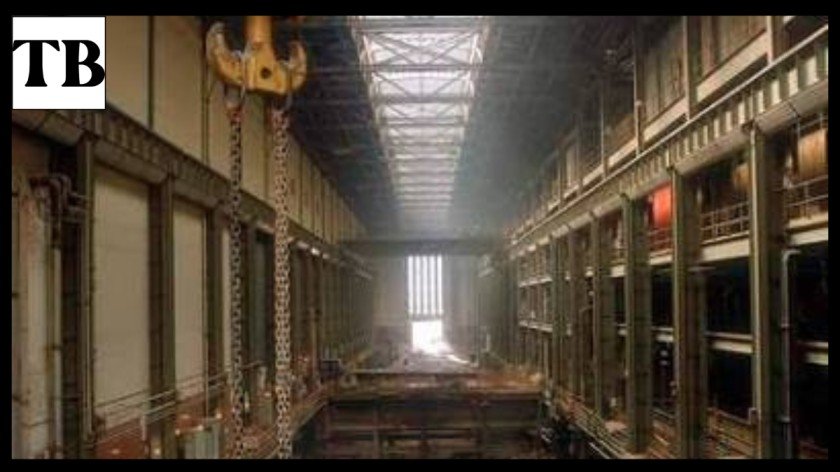
The Turbine Hall is the most famous interior area and often creates the strongest impression on first-time visitors. It once contained machinery used for electricity generation but now provides space for monumental artworks. Artists can use its high ceiling, long floor and sloping entrance to create projects involving light, sound, sculpture, movement and audience participation. Some installations fill most of the hall, while others encourage visitors to walk around or interact with selected features. The area also serves as a meeting point, resting space and connection between different parts of the building. Even without a large installation, its industrial scale makes it a memorable part of the visit.
Collections and Tate Modern Exhibitions
The permanent collection includes international modern and contemporary work produced through different artistic movements and techniques. Visitors may encounter examples of Cubism, Surrealism, Pop Art, Minimalism, Abstract Expressionism and Conceptual Art. Depending on current collection rotations, displays may include works connected with artists such as Pablo Picasso, Salvador Dalí, Henri Matisse, Mark Rothko, Andy Warhol and Louise Bourgeois. The gallery also presents artists from regions and communities that were historically underrepresented in major European museums. This gives visitors an opportunity to discover unfamiliar voices and cultural perspectives. Collection displays change regularly, so separate visits may provide noticeably different experiences.
Many rooms are organised around themes rather than following a simple chronological route. Works from different countries and periods may be displayed together because they examine similar subjects. One collection area may focus on artists and society, while another may explore materials, media, personal identity or environmental change. This method encourages visitors to compare different responses to the same issue. However, it can confuse people who expect the oldest artworks to appear first and the newest ones last. Reading the introductory panel at the beginning of each collection area makes the organisation easier to understand.
The programme of Tate Modern exhibitions includes major temporary shows, smaller displays, performances and special events. Some are free, while larger exhibitions generally require a separate paid ticket. People researching Tate Modern exhibitions now should check the scheduled dates carefully because individual events may run for different periods. Information about Tate Modern exhibitions 2026 may change as shows close, new programmes open or event times are updated. Visitors planning a journey around one particular artist should confirm the exhibition location and final date before travelling. Tate Modern and Tate Britain operate separate programmes, so checking the correct gallery name is especially important.
Tate Modern Tickets Online, Map and Opening Times
General admission to the permanent collection is free, so visitors do not usually need to book a standard entry ticket. Tate Modern tickets online are mainly required for temporary exhibitions, performances and special events. Advance booking is recommended during weekends, school holidays and busy tourist periods. Before confirming a reservation, check the exhibition title, date, entry time and gallery location carefully.
Use the official Tate Modern map to plan your route through the building. It can help you locate:
- The Turbine Hall
- Natalie Bell Building
- Blavatnik Building
- Permanent collection galleries
- Temporary exhibition rooms
- Cafés and restaurants
- Museum shops
- Toilets and accessible facilities
- Lifts, stairs and entrances
The latest Tate Modern opening times should be checked before travelling because special events, maintenance and public holidays may affect access. Weekday mornings are generally quieter, while weekends and rainy afternoons can be busier. Most first-time visitors should allow two to three hours for the free collection and architecture. Add at least one extra hour when visiting a large temporary exhibition.
Benefits, Family Visits and Practical Uses
One of the gallery’s strongest benefits is free access to an internationally important collection. London can be an expensive destination, especially when a family or tourist visits several paid attractions. Free entry allows people to experience significant art and architecture without placing additional pressure on their travel budget. Families can leave after a short visit if children become tired without feeling that costly admission tickets have been wasted. Tourists can include the gallery between other activities, while local residents can return when new displays appear. It is also a practical indoor attraction during cold, rainy or extremely hot weather.
Students and creative professionals can use the collection as a valuable research resource. Viewing original work reveals texture, scale, colour and atmosphere more clearly than photographs or digital screens. Art students can study materials and composition, while architecture students can examine the conversion of the former power station. Photographers may analyse framing and visual storytelling, and filmmakers can observe how sound and moving images are presented. Designers, writers and marketing professionals may also gain ideas from exhibition layouts, cultural branding and visitor communication. Entering with one research question usually produces more useful results than photographing every object.
Families can make the visit more enjoyable by encouraging children to describe what they notice. Parents might ask which colours stand out, what materials were used or what an installation resembles. Large sculptures, videos and unusual objects may be more accessible to younger visitors than traditional historical paintings. There is no need to provide a detailed art-history lesson or insist on a single interpretation. Short visits with regular breaks are generally more successful than attempting to cover the complete building. Families can then continue the day with a riverside walk or another nearby attraction.
Tate Britain Comparison, Pros and Cons
Tate Modern and Tate Britain are connected through the same organisation, but they have different collection priorities. Tate Modern focuses mainly on international modern and contemporary art, while Tate Britain presents British art from the sixteenth century onwards. The Bankside gallery occupies a former power station and includes experimental media, installations and performance spaces. Tate Britain is located in Millbank and provides a more traditional museum atmosphere. Visitors interested in contemporary international art may prefer the Bankside location. People wanting to study the development of British painting and sculpture may find Tate Britain more suitable.
The main advantages include free permanent collection entry, impressive architecture and a wide variety of creative media. Visitors can spend an hour inside or make the gallery the centre of a longer cultural day. Its riverside location makes it easy to combine with St Paul’s Cathedral, Borough Market and Shakespeare’s Globe. However, the large floor plan may be confusing, especially for people visiting without a map. Long periods of walking and standing can also become tiring. Some conceptual artworks may feel inaccessible to visitors who strongly prefer realistic painting or historical objects.
Popular exhibitions and weekend crowds can reduce the calm atmosphere expected from an art gallery. Although permanent collection entry is free, tickets, food, catalogues and souvenirs can increase the overall cost. Famous works are not always displayed because of collection rotations, conservation and international loans. Visitors can manage these disadvantages by checking current information and selecting only a few priority areas. Comfortable shoes and regular breaks can significantly improve a longer visit. Photography rules should also be followed because some artworks and ticketed exhibitions may have restrictions.
Frequently Asked Questions
Is the Tate Modern Museum free?
Yes, the permanent collections at Tate Modern and Tate Britain are free to visit. Some temporary exhibitions and special events require paid tickets.
Why is Tate Modern famous?
It is famous for modern and contemporary art, the Turbine Hall and its former power-station building. Its riverside location and large installations also attract visitors.
Is it worth visiting Tate Modern?
Yes, it offers free galleries, impressive architecture and a convenient central London location. Most visitors can enjoy the main highlights in two to three hours.
What are the most famous artworks at Tate Modern?
Popular works include Marilyn Diptych, The Weeping Woman and the Seagram Murals. Displays rotate, so particular artworks may not always be available.
How long should you spend at Tate Modern?
Allow two to three hours for the Turbine Hall and several collection areas. Add more time when visiting a large temporary exhibition.
Conclusion
Tate Modern offers a combination of art, architecture and river views which will make your memory last. The fact that it has a permanent free collection makes it perfect for visitors of all ages, whether they are tourists, students or local people. The Turbine Hall offers visitors an experience which differs from visiting galleries. It is possible to spend a couple of hours in order to see everything which Tate Modern has to offer. Checking the map and exhibition information in advance, as well as choosing less crowded periods to visit the museum, can contribute to the whole experience.