


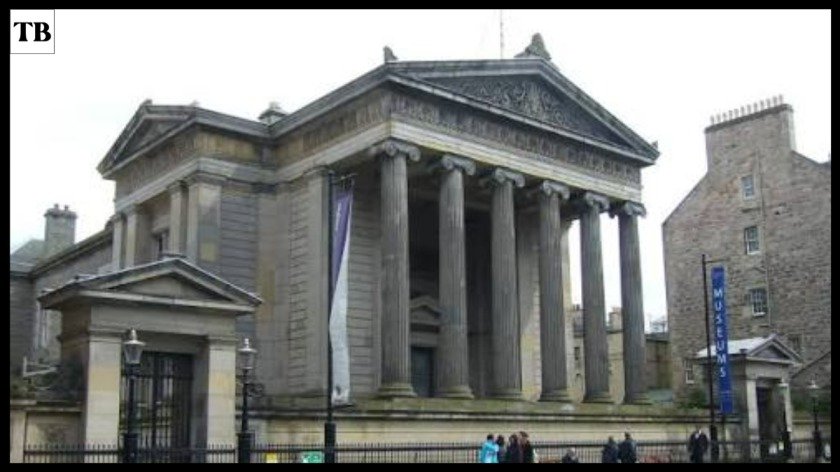
Surgeons Hall Museum Edinburgh is an interesting exploration of surgical history including anatomy, pathology and dentistry. It is based inside the Royal College of Surgeons of Edinburgh and consists of historical medical tools, anatomical preparations, dental artifacts and interactive exhibition. In this museum visitors can see the way doctors and surgeons operated prior to modern technological breakthroughs, anesthesia and improved medical service. There are also interesting stories about prominent personalities in medicine and Edinburgh’s contribution in developing medical education. Due to unusual collections and educational character the museum stands apart from other tourist sites. This guide describes tickets, prices, opening hours, exhibitions.
History and Importance of the Museum
The museum is part of the Royal College of Surgeons of Edinburgh, an institution with origins dating back to 1505. Its collections developed alongside Edinburgh’s long tradition of medical education and were originally used to help students and professionals understand anatomy, disease and surgical techniques. The museum opened to the public in 1832, allowing a wider audience to explore objects that had previously been associated mainly with medical education. This history gives the attraction considerable authenticity because many objects were collected for genuine educational and professional purposes rather than being created specifically for tourists.
The development of the collections reflects the enormous changes that took place in medicine. Earlier surgeons had limited knowledge of infection, pain management and internal anatomy compared with modern healthcare professionals. Over time, advances in scientific research, surgical techniques, anaesthesia and hygiene transformed the profession. Visitors can see evidence of these developments through instruments, specimens and historical displays. The museum therefore provides more than a collection of unusual objects. It helps explain why modern surgery looks so different from the procedures carried out by earlier generations.
Edinburgh’s wider medical heritage is another important reason to explore the collection. The city became an internationally respected centre for medical education, attracting students and teachers from Britain and overseas. Many developments in surgery, anatomy and medical teaching were connected with Edinburgh’s institutions. A visit therefore adds another dimension to understanding the city. Alongside its famous architecture, literature and political history, Edinburgh has a remarkable scientific tradition. The museum provides a physical record of that tradition and gives visitors an opportunity to discover a side of the capital that is often overlooked.
Tickets, Prices and Opening Times
The current adult admission price is £10, while several concessionary options are available. Eligible students, NHS staff, people aged over 60 and visitors with disabilities can currently receive reduced admission at £6.50. Children aged 5–15 pay £5.50, while children under five can currently enter free. Family tickets are also available, including options for two adults with children and one adult with children. These different ticket categories make the attraction relatively accessible for families and visitors who qualify for concessions.
The museum currently opens from 10am to 5pm, seven days a week, with last admission at 4:30pm. This schedule makes it relatively easy to fit into a busy Edinburgh sightseeing itinerary. Most standard visitors can purchase admission at the museum, although groups and educational visits may have different arrangements. Because prices and opening schedules can change, visitors should check the latest information before travelling, particularly during holiday periods. Arriving well before the final admission time is recommended because the collections contain enough material to make a rushed visit less enjoyable.
When considering whether the admission price represents good value, it is useful to think about the type of experience being offered. This is a specialist museum containing historically significant medical collections, rather than a small exhibition that can be completed in a few minutes. Visitors can explore surgery, pathology, dentistry and anatomy while learning about the development of medical education. For someone interested in science or history, the admission price can offer strong value. However, people who dislike medical material or have little interest in the subject may prefer one of Edinburgh’s broader cultural attractions.
Main Exhibits and Collections
The main galleries cover several different aspects of medical history. The History of Surgery Gallery explains how surgical practice developed and introduces visitors to important medical discoveries and personalities. The Wohl Pathology Gallery contains genuine specimens demonstrating the effects of disease and injury on the body. The Dental Collection explores the development of dentistry and the tools used by dental professionals in earlier periods. Body Voyager provides a more interactive way to learn about anatomy and how the human body functions.
The collections are particularly effective because they connect scientific information with physical evidence. A historical surgical instrument can demonstrate the limitations faced by earlier doctors, while a pathology specimen can make the effects of disease much easier to understand. Historical dental equipment provides another reminder of how much healthcare has changed. Modern dentistry and surgery depend on advanced materials, imaging, sterilisation and pain control, but these technologies developed gradually. Seeing older equipment can therefore make modern medical treatment seem even more remarkable.
The museum also contains stories that extend beyond medicine itself. Visitors can learn about the development of anaesthesia, antiseptic surgery and anatomical education, while darker historical subjects such as Burke and Hare provide insight into nineteenth-century Edinburgh. The collections also have connections with people such as Joseph Lister, James Young Simpson and Joseph Bell. Arthur Conan Doyle’s medical education in Edinburgh provides an unexpected link with literature and Sherlock Holmes. These different subjects mean that the museum can appeal to visitors with interests in science, history, crime and culture.
Benefits, Pros and Cons of Visiting
One of the biggest benefits of visiting is the opportunity to understand the development of modern healthcare through authentic objects and specimens. Medical students can gain additional context for subjects such as anatomy, pathology and surgery, while general visitors can learn why developments such as anaesthesia and infection control were so important. The museum also provides an unusual perspective on Edinburgh’s history. Instead of focusing only on castles, architecture and literature, it shows how the city contributed to medical education and scientific progress.
The main advantages include:
- Centuries of medical history in one attraction.
- Historic surgical instruments and medical objects.
- Extensive anatomy and pathology displays.
- A dedicated dental collection.
- Interactive educational material.
- Connections with famous medical and literary figures.
- Insight into Edinburgh’s medical heritage.
- Interesting stories about controversial medical history.
- A convenient central location.
- A recommended visit length of around two hours.
- Useful educational value for older children and students.
There are also some disadvantages to consider. The museum contains genuine human remains and pathological specimens, which some visitors may find disturbing. It is also a specialist attraction, so people who prefer art, architecture or general cultural history may not find it as engaging. Photography and filming are restricted in relation to the collections, and younger children may not be comfortable with the subject matter. These are not necessarily weaknesses in the museum itself, but they mean that visitors should understand what to expect before purchasing a ticket.
How Long Does the Visit Take?
If you are wondering how long does Surgeons Hall Museum take, around two hours is a sensible amount of time for most visitors. This allows enough time to explore the major galleries, read the explanations and examine the more unusual objects without rushing. Visitors with a strong interest in medicine, anatomy or history may want longer because individual collections contain considerable detail. Those mainly interested in seeing the highlights could potentially complete the experience faster.
The atmosphere is educational and historical rather than being designed as a conventional entertainment attraction. Visitors should expect to encounter medical instruments, anatomical material, pathological specimens and detailed information about historical medical practices. Some displays can be visually challenging, particularly within the pathology collection. Understanding this before arriving is important, especially for families. The museum is generally better suited to visitors who are comfortable learning about the human body and the realities of historical healthcare.
A useful strategy is to choose a few themes to concentrate on during the visit. You might focus on the history of surgery, the development of anaesthesia, antiseptic techniques, dentistry, anatomy or famous Edinburgh medical figures. This can make the experience easier to follow because there is a considerable amount of information available. Rather than trying to remember everything, visitors can leave with a stronger understanding of several major developments and the people behind them.
Photos, Shop, Location and Practical Visitor Tips
People searching for Surgeons Hall Museum photos should be aware that photography and filming are restricted because of the sensitive nature of some collections. Visitors should not assume that every exhibit can be photographed. This approach reflects the need to treat human remains and medical specimens respectfully. The experience is therefore better approached as an educational visit rather than a place to collect photographs for social media.
The museum shop can be useful for visitors who want to take home books, educational material or souvenirs related to medical history. Stock can change, so visitors looking for a particular item should check current availability. A specialist book can be a particularly useful purchase for medical students, history enthusiasts or anyone who wants to learn more about Edinburgh’s medical heritage after the visit. The shop is an optional part of the experience, while the galleries themselves remain the main attraction.
The museum is located on Nicolson Street in central Edinburgh, within the Royal College of Surgeons of Edinburgh. It is around a 10-minute walk from Edinburgh Waverley railway station, making it convenient for people arriving by train. Visitors can also combine the attraction with other nearby Old Town and Southside sights. Comfortable footwear is recommended, and anyone requiring specific accessibility arrangements should check the latest visitor information before travelling. Planning around the two-hour recommended visit can also make it easier to fit the museum into a wider Edinburgh itinerary.
Is It Free and Is It Worth Visiting?
A common question from visitors is “Is Surgeons Hall Museum free?” The answer is no. Standard adult admission currently costs £10, although children under five can enter free and concessionary tickets are available for eligible visitors. Family tickets can also reduce the overall cost for groups. Whether the attraction is worth the admission price depends largely on individual interests. Someone fascinated by science, anatomy, medicine or history is likely to find considerably more value than someone looking for a general entertainment experience.
The museum is particularly worthwhile for medical students, healthcare professionals, science enthusiasts and people interested in Edinburgh’s darker history. The connections with major medical figures add historical depth, while the stories surrounding anatomical education provide a broader understanding of how medicine developed. The museum can also appeal to literature enthusiasts because of the connection between Joseph Bell and Arthur Conan Doyle. Its central location and approximately two-hour recommended visit make it convenient for tourists who have limited time in Edinburgh.
The main reason some visitors may decide against going is the presence of human remains and pathological material. Those who find such displays uncomfortable may prefer another museum. For everyone else, the combination of authentic collections, educational information and Edinburgh history makes it a distinctive experience. The attraction offers something that is difficult to find elsewhere in the city, making it a strong choice for curious travelers who want to explore an unusual part of Scotland’s cultural heritage.
Frequently Asked Questions
Is the Surgeons Hall Museum free?
No, standard admission is paid, although some visitors qualify for reduced rates. Children under five can currently enter free.
Is the Surgeons Hall Museum worth visiting?
Yes, especially for people interested in medical history, anatomy, science and unusual attractions. Its historic collections make it a distinctive Edinburgh experience.
What is inside Surgeons Hall Museum?
You can explore surgical instruments, pathology specimens, dental collections and interactive anatomy displays. The galleries explain how medicine and surgery developed over the centuries.
How much does Surgeons Hall Museum cost?
Adult admission currently costs £10, with concessionary and child tickets available. Family tickets can also provide better value for groups.
How long does Surgeons Hall Museum take?
Most visitors should allow around two hours to explore the main galleries. Those with a specialist interest may want to spend longer.
Conclusion
The Surgeons Hall Museum is an interesting place that gives visitors a chance to explore the history of medicine in Edinburgh, including surgical instruments, anatomical studies, pathology, dentistry and other features. It is unique by its exhibits and collections and differs from typical tourist attractions in the city, providing information about evolution of the system of healthcare during centuries. Though there are some exhibits featuring human remains that can be disturbing for some people, they contribute to the learning process. In addition, it costs little to visit this attraction and it takes about 2 hours to walk through all the galleries.