


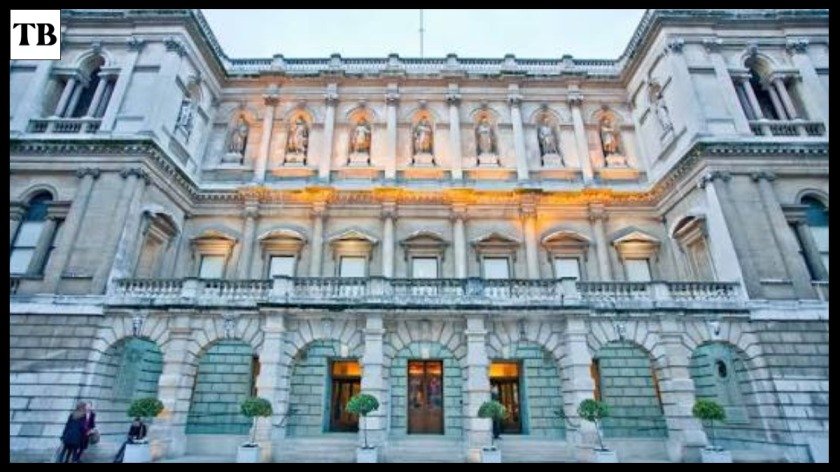
The Royal Academy of Arts is one of the most prestigious places in London where people can discover art and creativity. It was established in 1768 and has played a significant part in the development of the country’s artistic world for almost two and a half centuries now. Today, visitors have a chance to see great exhibitions, take part in the Summer Exhibition, discover the architectural heritage and even get some education in the heart of London. When people are looking for information about tickets, the exhibitions in 2026, courses, membership and the location of Burlington House, they need useful responses.
History of the Royal Academy of Arts
The Royal Academy of Arts began in London in 1768. A group of artists and architects founded the institution to improve professional standards and art education in Britain. King George III supported the new organisation, while Sir Joshua Reynolds became its first president. The founders believed that artists needed proper training, practice and knowledge. They also wanted the public to understand and appreciate art. These ideas shaped the organisation for generations. Its long history gives visitors an opportunity to connect modern exhibitions with the development of British art.
The Academy held its first annual exhibition in 1769. The event gave artists a chance to present their work to the public. It also allowed visitors to see new artistic ideas in one place. This tradition eventually developed into the famous Summer Exhibition. Over the years, the exhibitions reflected changes in British art and society. Artists presented portraits, landscapes, sculpture, prints and many other forms of creative work. The annual exhibition became an important part of London’s cultural calendar. It also helped strengthen the connection between artists and the public.
Education remains an important part of the institution’s identity. The Academy developed training programmes that helped students learn artistic skills and professional techniques. Its relationship with practising artists also makes it different from a conventional museum. Today, the galleries combine historic traditions with modern exhibitions and creative ideas. This balance gives visitors a chance to explore both the past and present. For students, the history can provide useful context for understanding British art. For tourists, it adds depth to what might otherwise be a simple gallery visit.
Burlington House and the London Location
Burlington House on Piccadilly provides the main setting for the galleries and exhibitions. The historic building gives the visitor experience a distinctive character. Traditional architecture surrounds changing displays of paintings, sculpture and other forms of art. This contrast between an old building and modern creative work can make the visit especially interesting. Architecture enthusiasts can also study the building’s design and historical features. The surrounding streets add to the experience because Piccadilly is one of central London’s most recognisable areas.
The main address is Burlington House, Piccadilly, London, W1J 0BD. The institution also uses 6 Burlington Gardens, London, W1S 3ET. Visitors should check their booking details before travelling because different activities may use different parts of the site. This simple step can prevent confusion when you arrive. The location works particularly well for tourists because many attractions sit nearby. You can visit an exhibition and then continue towards Mayfair, the West End or other central London destinations.
Transport is another advantage. Piccadilly Circus and Green Park Underground stations are among the nearby stations. Several bus routes also serve the surrounding area. Visitors can therefore reach the galleries without needing a complicated journey. The central position also makes the attraction easy to add to a wider sightseeing plan. If you have limited time in London, you can combine an exhibition with shopping, theatre or other cultural activities nearby. Planning your route in advance can help you spend more time enjoying the exhibition.
Royal Academy of Arts Tickets Price and Visitor Information
The Royal Academy of Arts tickets price depends on the exhibition, event or activity you choose. Temporary exhibitions can have different admission charges. This means there is no single price that covers every visit. Visitors should check the current information for the specific exhibition before making plans. Ticket prices can change when new shows open. Popular exhibitions may also use timed entry. Checking the latest information before travelling can help you avoid unexpected costs or availability problems.
Your total spending may include more than the exhibition ticket. Transport, food and other London attractions can increase the cost of your day. Families should consider these expenses when planning their budget. Visitors coming from outside London may also need to think about train or hotel costs. The central location can help because you can combine the visit with other nearby attractions. This can reduce unnecessary travel and make better use of your time. A well-planned itinerary can make the overall experience more convenient.
Allow enough time to enjoy the exhibition without rushing. Some visitors may spend one or two hours in a focused exhibition, while art students or enthusiasts may want longer. Families may need additional time for children to explore and ask questions. Check opening arrangements before you travel, especially around public holidays or special events. You should also check accessibility information if you or someone in your group needs additional support. Good planning allows you to focus on the artwork instead of dealing with avoidable problems.
Royal Academy Summer Exhibition Entry
The Royal Academy Summer Exhibition entry has attracted interest for generations. The annual event began in 1769, making it one of the longest-running open-submission exhibitions of its kind. Artists can submit their work for consideration, creating a varied collection of paintings, sculpture, prints and other creative pieces. The format gives visitors a chance to discover different styles in one exhibition. It can include work from established artists as well as less familiar names. This variety makes every edition different.
The Summer Exhibition also provides an interesting view of current artistic practice. Visitors may find traditional painting alongside experimental work. Some pieces may be easy to understand immediately, while others may require more thought. That variety encourages visitors to form their own opinions. You do not need specialist knowledge to enjoy the event. Simply looking carefully at the work can reveal interesting choices about colour, composition, materials and subject. The exhibition can therefore appeal to both experienced art lovers and first-time gallery visitors.
Students can gain particular value from the Summer Exhibition. They can compare different approaches to the same artistic problems and study how artists use space and materials. Families can also make the visit interactive by asking children which works they like and why. Try not to rush through every room. Instead, choose several pieces that catch your attention and spend more time with them. This approach can make a short gallery visit feel more meaningful and educational.
Royal Academy Exhibitions 2026
The 2026 exhibition programme gives visitors different opportunities to explore artists, subjects and creative ideas. Temporary exhibitions can focus on individual artists, artistic movements, historical periods or contemporary themes. Because the programme changes throughout the year, visitors can have very different experiences on separate visits. This makes the institution attractive to people who return regularly. Before booking, read the exhibition description carefully. Choose a show that matches your interests rather than selecting one only because it has a famous name.
Planning matters if you are visiting London for a short trip. Check the exhibition dates and allow enough time for travel. If your visit includes several attractions, leave some space between bookings. This reduces stress if transport takes longer than expected. You should also consider how long you normally enjoy spending in a gallery. Someone who likes detailed artwork analysis may need more time than someone who prefers a quick cultural visit. Matching the exhibition with your schedule can improve the experience.
A good exhibition visit involves more than looking at pictures quickly. Spend time studying works that interest you. Look at colour, scale, texture, materials and composition. Read the information beside the artwork after forming your own first impression. You may discover that the artist’s intention changes how you understand the piece. This method works well for students, families and casual visitors. It also makes the visit more memorable because you actively engage with the artwork rather than simply moving from room to room.
Royal Academy Courses and Art Education
Art education has played an important role in the institution since its foundation. The original founders wanted artists to receive proper training and develop their skills through study and practice. Drawing, painting, sculpture and architecture formed important areas of early instruction. This educational tradition continues to influence the organisation today. Learning about this history can help visitors understand why the institution remains closely connected with practising artists. It is not simply a place where people display paintings.
Modern Royal Academy courses and learning programmes can interest people who want to develop their creative abilities. The exact courses available can change, so prospective students should check current information about dates, fees and entry requirements. The Royal Academy Schools also continue the tradition of supporting artists and developing creative practice. Students can gain useful experience by studying original artwork and considering how professional artists approach their work. Exhibition visits can support formal study by giving learners direct contact with real objects.
People searching for Royal Academy login may be looking for an online account connected with bookings, membership or educational services. An online account is separate from physical gallery admission. Visitors should use the current official account system when managing bookings or personal information. Another search phrase, Royal Academy School Sharifabad, may refer to a separate school rather than the London art institution. These organisations should not be treated as the same without reliable confirmation. Keeping the subjects separate gives readers clearer information and also creates better SEO content.
Royal Academy of Arts Photos and Architecture
Searches for Royal Academy of Arts photos are useful for people who want to see the building before travelling. Photographs can show Burlington House, entrances, gallery rooms and architectural details. However, exhibition displays change regularly, so older images may not accurately represent what you will see during your visit. The building itself deserves attention because its historic character creates a distinctive environment for modern exhibitions. Visitors who enjoy architecture can look at the structure, decorative details and relationship between the building and surrounding streets.
Inside the galleries, the experience depends on the current programme. You might find paintings, sculpture, drawings, prints, installations or architectural work. Exhibition design also influences the experience. Curators and designers consider lighting, spacing, room order and the position of individual works. These choices guide visitors through the exhibition and can change how they respond to the artwork. Try to notice how the atmosphere changes from one room to another. This can add another level of interest, particularly for people studying design or architecture.
Photography rules can vary between exhibitions. Visitors should follow the instructions displayed in each gallery and avoid photography where it is restricted. Flash photography may also be prohibited. Even when photography is allowed, remember that a photograph cannot fully reproduce an original artwork. Size, texture and surface details can look very different in person. A large painting may have a much stronger effect when viewed at its actual scale. Online photographs are therefore useful for planning, but they cannot completely replace seeing original works.
Benefits, Pros and Cons of Visiting
A visit can provide strong educational and cultural benefits. Seeing original artwork allows visitors to notice details that digital images often miss. You can study brushwork, texture, scale and colour directly. Exhibitions can also introduce visitors to artists and ideas they have never encountered before. Students can use the galleries for visual research, while families can encourage children to observe and discuss different artworks. The central location adds another practical benefit because visitors can combine the gallery with other activities around central London.
The exhibitions can also provide a focused experience. Very large museums sometimes contain so many objects that visitors feel overwhelmed. A temporary exhibition usually has a clearer theme and allows people to explore a particular subject in greater depth. The Summer Exhibition offers a different experience because it brings many artistic voices together. This variety can help visitors discover new interests. People who enjoy architecture can also appreciate Burlington House. As a result, the visit can offer something to art lovers, students, tourists, families and architecture enthusiasts.
There are some limitations to consider before booking. Popular exhibitions may become busy, especially during peak periods. Temporary exhibitions can also involve admission charges. The current programme may not appeal to every visitor, and people who want an enormous permanent collection may prefer another London museum.
Here is a quick comparison:
- Pros: historic importance and strong artistic traditions.
- Pros: central Piccadilly location.
- Pros: changing exhibitions throughout the year.
- Pros: valuable experience for students and art lovers.
- Pros: interesting architecture and cultural surroundings.
- Cons: some exhibitions require paid admission.
- Cons: popular shows can become crowded.
- Cons: exhibition subjects may not suit everyone.
- Cons: visitors seeking a huge permanent collection may prefer another museum.
Is the Royal Academy Worth Visiting in 2026?
For people interested in art, culture, architecture or British history, a visit in 2026 can be a good choice. The most important factor is the exhibition programme. A famous institution does not automatically suit every traveller. Read about the exhibition you plan to see and decide whether the subject interests you. Art students may find particular value because they can study original works closely. Tourists can also benefit from the central location. Families can make the visit more enjoyable by discussing artworks together instead of simply walking through the rooms.
You do not need to spend an entire day at the galleries. A carefully planned visit can fit into a wider London itinerary. Give yourself enough time to explore without rushing. Check the latest ticket information and opening arrangements before travelling. If you are attending a special event or course, confirm the correct location because activities may involve different parts of the site. Visitors should also check photography and accessibility guidance. These small steps can make the experience more comfortable and help you focus on the artwork.
Overall, the attraction is most worthwhile when the current programme matches your interests. Its greatest strengths include its history, relationship with practising artists, educational tradition, changing exhibitions and central location. It may not suit someone looking for a huge general museum, but it offers a more focused cultural experience. Before visiting, check the exhibition schedule, admission information and practical visitor details. Choose an exhibition that genuinely interests you and give yourself time to look closely at the artwork. For art lovers, students, families and tourists, this approach can turn a simple London gallery visit into a rewarding cultural experience.
Frequently Asked Questions
Is the Royal Academy free?
Some displays may be free, while major temporary exhibitions usually require a ticket. Check the latest admission information before planning your visit.
How much does it cost to join the Royal Academy?
Membership prices vary depending on the type of membership selected. Becoming a member is different from being elected as a Royal Academician.
How much do Summer Exhibition 2026 tickets cost?
The 2026 Summer Exhibition has finished, so tickets for that edition are no longer available. Prices for future Summer Exhibitions may change.
What courses are offered at the Royal Academy of Arts?
The institution has artistic education programmes, including the Royal Academy Schools. Courses, dates and entry requirements can vary from year to year.
Where is the Royal Academy of Arts?
The main building is at Burlington House, Piccadilly, London, W1J 0BD. Its central location makes it convenient for London visitors.
Conclusion
Royal Academy of Arts continues to be one of the top places of attraction when it comes to arts, education, and culture. The long history, involvement of artists, summer exhibition, and ever-changing program attract both newcomers and art enthusiasts. The site is also notable for its unique location in the very center of London. Before you come there, make sure that you know the dates of exhibitions, prices of tickets, arrangements, and classes being held there at the moment. Students may get inspired by paintings, while tourists will find it easy to visit the gallery together with other sightseeing spots.