


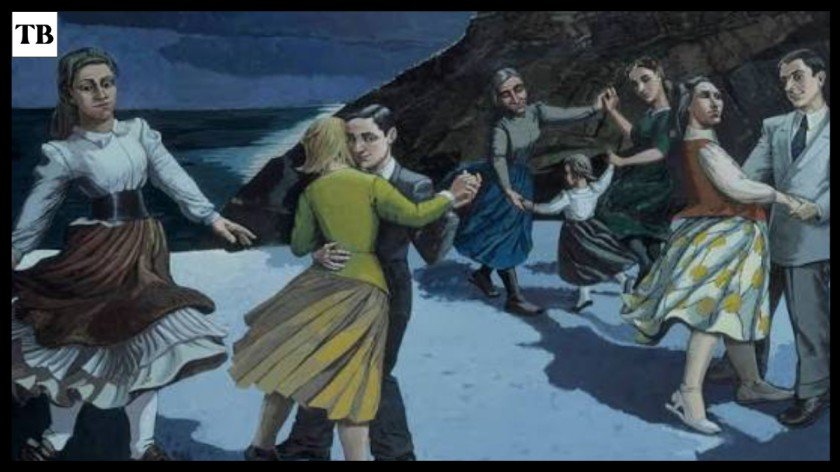
Paula Rego was an artist who knew how to turn everyday experiences, memories and stories into powerful works of art. Born in Portugal and later making Britain her home, she developed a style that was deeply personal and instantly recognisable. Her paintings and pastels often focus on women, family, childhood, relationships and social injustice. Some works are beautiful and playful, while others can feel dark or uncomfortable, but they rarely leave the viewer unmoved. Rego was not afraid to explore difficult subjects or challenge familiar ideas. That honesty is a big reason why her art remains so interesting and relevant today.
Paula Rego: Early Life, Education and Artistic Development
Born in Lisbon in 1935, the artist grew up during Portugal’s Estado Novo dictatorship. Her parents had strong connections with Britain and encouraged her education in England. She moved to the UK as a teenager and later studied at the Slade School of Fine Art in London between 1952 and 1956. Her years at the Slade provided a strong foundation for a career that would eventually cover painting, drawing and printmaking. Her Portuguese childhood continued to influence her work throughout her life.
Memories of family, religion, folklore, childhood stories and Portuguese culture became recurring subjects. However, she rarely copied memories exactly. Instead, she transformed them into dramatic visual narratives. Her artistic style changed considerably over time, moving from early experimental work towards powerful figurative compositions. Pastel eventually became one of her most recognisable mediums, while drawing remained central to her creative process.
Storytelling became one of the defining features of her career. She drew inspiration from fairy tales, nursery rhymes, novels, religious narratives and political events. A familiar story could become a study of power, gender or fear. This ability to change the meaning of familiar material gave her pictures an unusual psychological depth and allowed viewers to discover different interpretations.
Major Artwork, Dog Women, Abortion Series and Crivelli’s Garden
Her paintings and drawings are often theatrical. Figures appear inside carefully arranged rooms, gardens and landscapes, while furniture and everyday objects contribute to the narrative. Body language is especially important because posture can communicate authority, fear, exhaustion or resistance before the viewer understands the complete story. Her use of colour, texture and scale also gives many compositions a strong physical presence.
The Dog Women series is among her best-known bodies of work. The women appear in animal-like positions, challenging traditional ideas about femininity and polite behaviour. The dog can suggest instinct, domesticity, loyalty, sexuality or aggression. Instead of presenting women as decorative figures, the series gives them physical strength and psychological complexity. This direct treatment of the female body became an important part of her wider artistic identity.
The Abortion Series is another major achievement. Created in response to Portugal’s 1998 abortion referendum, the works focus on women experiencing the consequences of restrictive abortion laws. The artist avoided unnecessary sensationalism and instead presented intimate situations that encouraged viewers to consider individual experiences. The series later became closely associated with the campaign for abortion rights in Portugal and demonstrated how figurative art could contribute to an important public debate.
Paula Rego London: Exhibitions, Victoria Miro and Museums
London played an important role in her artistic career, from her studies at the Slade School of Fine Art to major exhibitions later in her life. Her work has been shown in leading galleries and museums, helping audiences understand her distinctive approach to storytelling, women and social issues.
Some important places and exhibitions connected with her work include:
- Victoria Miro, London – hosted Story Line in 2026, featuring drawings and works on paper from across her career.
- Tate Britain – presented a major retrospective of her work in 2021.
- National Gallery – displayed Crivelli’s Garden, her celebrated monumental mural.
- The Courtauld Gallery – scheduled Dog Woman for 2027.
- London galleries and collections – continue to showcase and study her paintings, prints and drawings.
These London connections make the city an important place for anyone interested in her art. Visitors can explore both major museum collections and temporary exhibitions to see how her ideas developed over several decades.
Prints, Books, Artwork and Sculpture
Printmaking formed an important part of her career and offered another way to develop her stories. She worked with etching, lithography and other print techniques, creating images that could explore many of the same themes found in her paintings and drawings. Her prints are also important to collectors because individual editions can differ greatly in rarity, condition and market value. A print should therefore be researched as a specific artwork rather than judged only by the artist’s name.
Anyone searching for Paula Rego prints for sale UK should check several details before buying. These include the edition number, total edition size, signature, date, medium, provenance and condition. Buyers should also establish whether they are purchasing an original authorised print or a later reproduction. A reputable gallery, auction house or specialist dealer can provide more useful documentation than an unverified online listing. Price alone should never be treated as proof of authenticity.
Books provide another excellent way to explore her career. The 2026 Story Line publication, written by her son Nick Willing, accompanied the Victoria Miro exhibition and focused strongly on drawings and archival material. Exhibition catalogues and scholarly books can also help readers understand references to literature, folklore, religion and art history. For students, books are particularly useful because they provide context that may not be available from a short museum label.
Why Her Art Still Matters in 2026
Her continuing popularity comes from more than historical reputation. Many of the subjects she explored remain relevant, including women’s rights, domestic power, political authority, family relationships, sexuality, violence and social expectations. She demonstrated that political art does not have to look like a conventional protest poster. A domestic scene, fairy tale or female figure can communicate powerful ideas about society.
There are several practical reasons to study her work. It helps students understand figurative composition, symbolism and visual storytelling. It also demonstrates how artists can reinterpret traditional stories rather than simply reproduce them. Her career connects modern British art with Portuguese culture, Renaissance painting, literature, folklore and feminist ideas. These connections make her work useful across several areas of art history and cultural studies.
When analysing one of her artworks, begin with composition and body language. Ask where each figure is positioned and which character appears dominant or vulnerable. Then examine objects, clothing, rooms and landscapes for narrative clues. Consider the source material and research the story behind it. Finally, look at colour, texture and atmosphere. This approach can reveal layers of meaning that are easy to miss during a quick museum visit.
- Also Read. Elton John Life Songs and Career
(FAQs)
What Is Paula Rego Best Known For?
She is famous for figurative paintings, pastels, drawings and prints exploring women, family, folklore, politics and power.Her Dog Women and Abortion Series are among her most recognised bodies of work.
What Is the Meaning Behind Paula Rego’s Dog Women Series?
The Dog Women series explores female identity, instinct, strength and domestic expectations.
Its animal-like poses challenge traditional ideas about femininity and women’s behaviour.
How Much Are Paula Rego Paintings Worth?
Prices vary according to the artwork, medium, rarity, condition, provenance and market demand.
Major original works can command high prices, while prints and works on paper can be more accessible.
Who Was Paula Rego’s Husband?
Her husband was British artist Victor Willing, whom she married in 1959.They had three children, and their relationship formed an important part of her personal and artistic life.
Where Can You See Paula Rego’s Artwork Today?
Her work is held by major museums and collections around the world, including institutions in Britain and Portugal.
Conclusion
Paula Rego created art that feels deeply personal, honest and sometimes uncomfortable. She drew inspiration from memories, stories, relationships and the world around her, turning them into powerful images that still connect with people today. Her work often gives women a strong voice while exploring subjects that are difficult to discuss openly. From the Dog Women series to the Abortion Series and Crivelli’s Garden, she showed that art can tell stories and challenge society at the same time. Her paintings, drawings and prints continue to attract attention in museums and galleries, keeping her unique voice alive for future generations.