


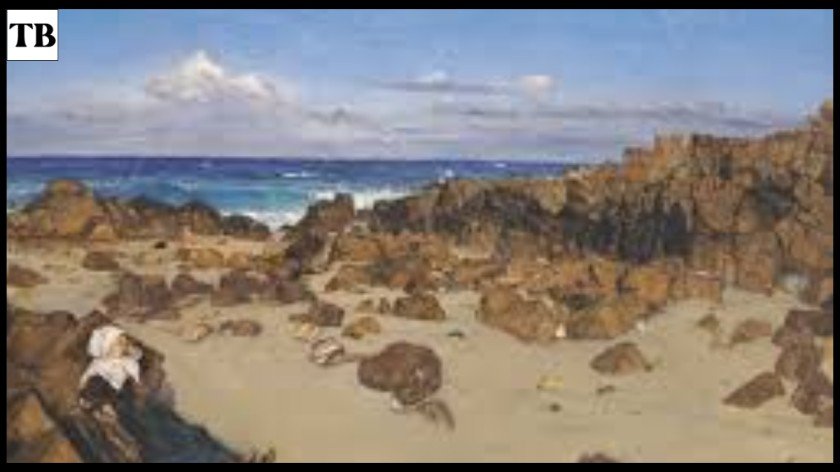
James McNeill Whistler was a talented artist who became famous for his portraits, landscapes and unusual use of colour. Born in America in 1834, he spent much of his life in Europe and found great inspiration in London, particularly along the River Thames. His best-known painting, Whistler’s Mother, is still recognised by people around the world. He also created beautiful nocturne paintings that captured the quiet atmosphere of night scenes. Although he faced criticism and financial difficulties during his career, he stayed true to his artistic ideas and helped change the way people appreciated and understood art.
Early Life, Education and London Years
Whistler was born into a family connected with engineering and railway development. His father, George Washington Whistler, worked as a railway engineer, and the family spent several years in Russia during his childhood. These early experiences exposed him to different cultures and surroundings. Although his education initially followed a conventional path, his interests eventually led him towards a career in art.
In 1851, he entered the United States Military Academy at West Point but left without graduating. He later worked in technical drawing, which helped develop his attention to lines, shapes and precision. In 1855, he moved to Paris to study art and experience the city’s creative community. His exposure to European painting encouraged him to experiment with composition, colour and artistic expression.
He moved to London in 1859, and the city became a major source of inspiration. The River Thames, its bridges, boats and changing weather provided subjects for paintings and etchings. He was especially interested in how fog, darkness and reflections changed familiar views. London also offered opportunities to meet collectors, exhibit his work and establish professional connections, although his outspoken personality sometimes led to disagreements with critics.
Famous Paintings, Nocturnes and Artistic Style
Whistler produced portraits, landscapes, etchings and decorative designs throughout his career. His style relied on carefully balanced compositions, limited colour palettes and subtle tonal changes. He often used grey, black, blue, white and gold to create visual harmony. Rather than filling every part of a canvas with detail, he simplified shapes and allowed colour and atmosphere to guide the viewer’s attention.
Arrangement in Grey and Black No. 1, completed in 1871, is his most famous portrait. It depicts his mother, Anna McNeill Whistler, seated in profile against a restrained background. The careful arrangement of the figure, chair and surrounding objects creates a calm composition. Although audiences commonly call it Whistler’s Mother, the original title highlights the importance he placed on the arrangement of colours and forms.
Other important works include Symphony in White, No. 1: The White Girl and his atmospheric nocturnes. Nocturne in Black and Gold: The Falling Rocket depicts fireworks against a dark background, while Nocturne: Blue and Gold—Old Battersea Bridge presents a simplified view of the Thames. His musical titles suggest that painting could create an experience of harmony similar to music. These works remain valuable examples of his distinctive artistic approach.
Tate Collections, Books and Film Resources
Readers interested in his work can explore museum collections and exhibition information. Tate Britain holds Nocturne: Blue and Gold—Old Battersea Bridge, an important example of his interest in London’s river landscape. His paintings are also held by other institutions. Whistler’s Mother, for example, belongs to the Musée d’Orsay in Paris. Checking museum records helps readers identify where individual works are held and whether they are currently on display.
Books offer another way to understand his artistic ideas and personal history. James Finch’s illustrated book James McNeill Whistler, published by Tate Publishing, introduces his work and career. Readers may also explore The Gentle Art of Making Enemies, a collection of Whistler’s writings that reveals his sharp humour and disagreements with critics. These publications provide useful context for understanding his artistic independence and the controversies that surrounded him.
People searching for a film about the artist should distinguish between a dedicated biographical film, a documentary and an arts programme discussing his paintings. His London career and dispute with John Ruskin offer compelling subjects for screen adaptations. However, specific film titles and release details should be verified before publication. Wikipedia can provide a starting point for basic biographical information, while museum records and reputable art-history books offer additional context.
The Ruskin Trial, Artistic Influence and Legacy
Whistler believed that painting could be appreciated for colour, composition and atmosphere without communicating a clear moral lesson. This idea challenged traditional Victorian expectations. His approach became associated with Aestheticism, which emphasised beauty and the independent value of artistic experience. He encouraged viewers to consider how a painting looked and felt rather than judging it solely by its subject.
His most famous controversy involved critic John Ruskin. In 1877, Ruskin criticised Nocturne in Black and Gold: The Falling Rocket, questioning its artistic value. Whistler sued Ruskin for libel, and the case went to trial in 1878. The jury awarded Whistler a farthing in damages, but legal costs contributed to his financial difficulties. He was declared bankrupt in 1879, although he continued working and defending his artistic principles.
His paintings helped demonstrate that art could communicate through carefully chosen colours, simplified forms and atmosphere. These ideas remain relevant to painters, photographers and designers who study visual balance and composition. His legacy extends beyond his famous portrait because his nocturnes, landscapes and prints reveal an artist willing to challenge established conventions. His career continues to offer lessons in creativity, resilience and artistic independence.
Personal Life, Marriage and Final Years
Whistler’s personal life was as interesting as his artistic career. He became known for his confident personality, sharp humour and strong opinions about art. Although these qualities helped him stand out, they sometimes caused disagreements with critics, fellow artists and wealthy patrons. He believed that artists should have the freedom to follow their own ideas rather than simply satisfy public expectations.
Key facts about his personal life:
- Marriage: He married Beatrice Godwin in 1888.
- His wife’s career: Beatrice was an artist and designer.
- Family life: Whistler had a son, Charles James Whistler Hanson, from an earlier relationship.
- Personal loss: Beatrice died in 1896 after a serious illness.
- Final years: He continued painting and producing prints despite personal and financial difficulties.
- Death: He died in London on 17 July 1903, aged 69.
During his later years, Whistler continued to develop his artistic ideas and remained involved in British and European art circles. His experiences shaped both his personality and his approach to painting. Although he faced financial problems and personal losses, he never stopped defending his belief that art should be appreciated for its beauty, colour and composition. He died six days after his sixty-ninth birthday, leaving behind a distinctive body of work. Today, his paintings remain influential because of their originality, subtle atmosphere and innovative use of colour.
(FAQs)
What Is James McNeill Whistler Famous For?
He is famous for his portraits, nocturne paintings and innovative use of colour. His best-known work is Whistler’s Mother.
Why Was James Whistler So Important?
He helped change the way people understood painting by emphasising colour, composition and atmosphere. His ideas influenced Aestheticism and modern art.
What Is James McNeill Whistler’s Most Famous Painting?
His most famous painting is Arrangement in Grey and Black No. 1, commonly known as Whistler’s Mother. It was completed in 1871.
Did James McNeill Whistler Have Children?
Yes, he had children from relationships outside his marriage. His son, Charles James Whistler Hanson, was born in 1870, and he also had a daughter with Maud Franklin.
Why Did James Whistler Paint Nocturnes?
He painted nocturnes to capture the atmosphere of night scenes, especially along London’s River Thames. These works use muted colours and reflections to create a sense of mood.
Conclusion
James McNeill Whistler left a lasting mark on the art world through his unique use of colour, light and composition. His famous painting, Whistler’s Mother, and his beautiful nocturne paintings continue to attract attention from art lovers around the world. His time in London, his artistic achievements and his disagreements with John Ruskin all played an important part in his story. What makes his work special is the way he could turn everyday scenes into something memorable. Today, his paintings continue to inspire new generations and remind us that art can be powerful without needing too much detail.