


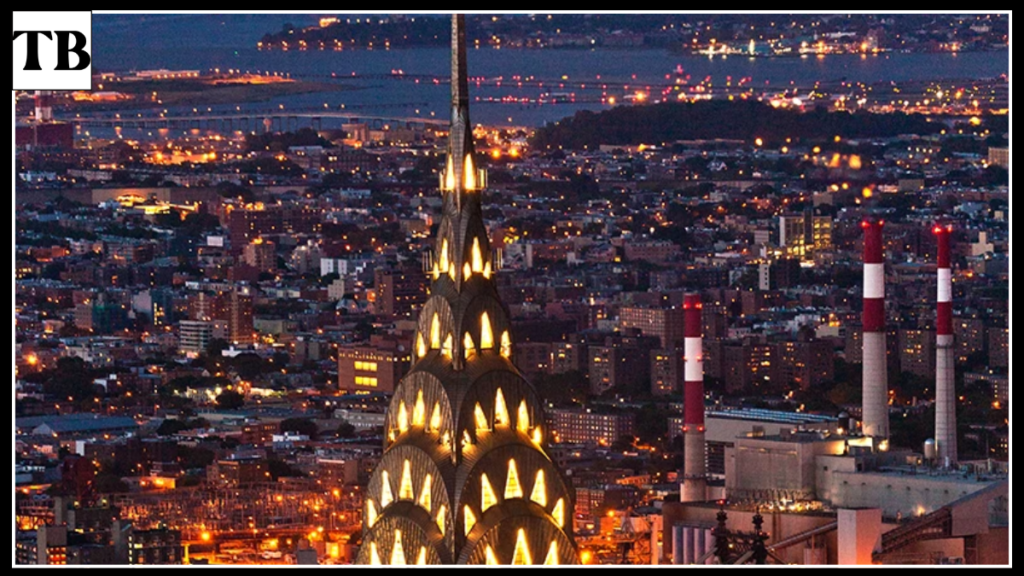
Art Deco is a well-known design movement distinguished by its use of geometric forms, symmetrical designs, high-quality materials, and striking ornaments. This particular style became particularly popular in the 1920s and 1930s and impacted architecture, paintings, furniture, fashion, jewelry, and interior designing. The style itself was representative of an era of fast development, when such things as cars, airplanes, skyscrapers, movies, and technology had caught people’s attention. Now, this design movement can be seen in historical structures, stylish houses, furnishing pieces, and even in modern creative activities. Whether it is about art paintings or art architecture, art furniture or interior designing, its influence on modern society continues.
What Is Art Deco and How Did It Begin?
The name comes from the French expression “Arts Décoratifs”, referring to the decorative arts. The movement developed in Europe during the early 20th century but gained international recognition after the 1925 Exposition Internationale des Arts Décoratifs et Industriels Modernes in Paris. Designers presented furniture, architecture, jewellery, textiles and decorative objects that represented a new approach to modern luxury. They wanted to move away from older historical styles while still maintaining craftsmanship, quality and decorative appeal.
The period between the First and Second World Wars provided an ideal environment for its growth. Cars, radios, aeroplanes, ocean liners, electricity and cinema were changing everyday life and creating excitement about the future. Designers responded with streamlined forms, geometric patterns and polished materials. They also borrowed ideas from Cubism, Futurism, ancient Egyptian art, African art and classical traditions. These influences were simplified and combined into a visual language that could appear both modern and timeless.
Paris was an important centre, but the movement soon spread around the world. New York became famous for monumental skyscrapers, while Miami developed a colourful coastal interpretation. Britain adopted the style in cinemas, shops, homes, offices and public buildings. During the 1930s, smoother surfaces, rounded corners and aerodynamic shapes became increasingly popular. Although its popularity declined after the Second World War, interest returned later as collectors, architects and interior designers rediscovered its distinctive qualities.
Art Deco Paintings and Art: Main Characteristics
Art deco art includes much more than paintings. It covers posters, illustrations, sculpture, jewellery, ceramics, glass, textiles and decorative objects. Artists frequently simplified human figures, animals, plants and landscapes into elegant geometric forms. Instead of concentrating on realistic detail, they used strong outlines, controlled shapes and carefully balanced compositions. This created artwork that could be decorative while still communicating ideas about modern life, fashion and technological progress.
Art paintings often featured fashionable figures, dancers, athletes, animals, buildings and scenes connected with travel or entertainment. Rich colours, dramatic contrasts and stylised forms helped create a feeling of movement and sophistication. The human figure was especially popular because artists could use elongated bodies, graceful poses and simplified clothing to express the elegance associated with the period. These works were not always created solely for galleries. Many visual artists also worked on posters, magazines, advertisements and commercial products.
One important reason for the movement’s success was its ability to connect fine art with popular culture. A luxury decorative object could share visual characteristics with a mass-produced poster or advertisement. Bold typography, simplified illustrations and strong perspectives became useful tools for communicating quickly. Travel posters, cinema advertisements and product packaging therefore helped spread the aesthetic to a much wider audience. Modern graphic designers continue to borrow these ideas when creating posters, branding, illustrations and digital artwork.
Art Deco Architecture: Famous Buildings and Global Influence
Art architecture is one of the most recognisable expressions of the movement. Buildings commonly use strong vertical lines, stepped forms, symmetry and geometric decoration to create a powerful visual identity. Instead of placing decoration randomly across a façade, architects often concentrated details around entrances, windows, rooflines and important structural areas. This allowed ornamentation to support the building’s overall form rather than compete with it. Skyscrapers were especially suitable because their height provided an opportunity to emphasise vertical movement.
New York contains some of the world’s most famous examples. The Chrysler Building is recognised for its dramatic geometric crown, metallic surfaces and detailed decoration, while the Empire State Building demonstrates the monumental scale associated with the era. These structures show how engineering and decoration could work together. Their appearance communicated technological progress, ambition and commercial confidence while creating landmarks that remain instantly recognisable.
The style developed differently in other countries. Britain used geometric decoration in cinemas, factories, offices and homes, while cities across Europe developed their own interpretations. Examples also appeared in Australia, India and other regions. Local climate, materials, culture and architectural traditions influenced the results. This explains why buildings from different countries can look very different while still sharing the same underlying principles of geometry, symmetry and modernity.
Art Deco Miami, Interior Design and Furniture
Art deco Miami is particularly famous for its colourful historic buildings in Miami Beach. These structures often feature pastel colours, curved corners, horizontal bands, porthole-style windows and nautical references. The coastal environment influenced the appearance, producing a lighter and more playful interpretation than the monumental skyscrapers found in New York. Despite the differences, the same fascination with modern living, geometric forms and strong architectural identity remains visible.
Art interior design uses geometry, symmetry, contrast and luxurious materials to create distinctive rooms. Mirrors, marble, glass, polished wood, brass, chrome and dramatic lighting can all contribute to the appearance. Patterned flooring and wallpaper can add visual interest, while symmetrical furniture arrangements help maintain balance. A modern room does not need to reproduce a 1930s interior exactly. One statement mirror, geometric rug, decorative light or elegant cabinet can introduce the influence while keeping the space practical.
Art furniture often combines straight lines with curved corners, stepped details and contrasting materials. Cabinets, desks, tables, chairs and sideboards can become statement pieces rather than simply functional objects. Dark woods, lacquer, glass and metal were particularly effective at creating a luxurious appearance. Today, period-inspired furniture can be mixed with contemporary pieces to produce a more natural result. This approach gives homeowners the character of the historical style without making the room look like a themed museum.
Art Deco Design: Materials, Colours, Patterns and Modern Uses
Art deco design depends on the relationship between shape, material and decoration. Geometric forms such as diamonds, triangles, circles, rectangles, zigzags and chevrons appear frequently. Fan shapes and sunburst patterns are also strongly associated with the movement. Symmetry creates a sense of balance, while repetition gives designs rhythm. These principles were applied to buildings, furniture, jewellery, textiles, posters, packaging and household objects, allowing the same visual language to appear across many aspects of daily life.
Materials helped communicate both luxury and technological progress. Designers used polished wood, lacquer, marble, glass, chrome, stainless steel and decorative metals. Black and cream created sophisticated contrasts, while gold, silver and rich colours added glamour. Yet luxury did not depend only on expensive materials. Proportion, texture, craftsmanship and reflective surfaces could also create visual richness. This is an important lesson for modern interiors because good design can achieve a sophisticated appearance without requiring every item to be expensive.
The influence remains useful in contemporary design. Hotels may use geometric wall panels and dramatic lighting to establish a memorable atmosphere, while restaurants can introduce curved furniture, mirrors and metallic details. Homes can combine modern furniture with patterned rugs, decorative mirrors and statement lighting. Graphic designers can use symmetrical layouts and strong typography, while fashion and jewellery designers can reinterpret geometric shapes. These applications demonstrate how the movement’s principles can remain relevant without simply copying historical examples.
Benefits, Pros and Cons and Why People Choose It Today
One major benefit is its ability to create a strong visual identity. Geometry and symmetry make spaces and objects memorable, while materials such as glass, marble, polished wood and metal provide texture and depth. The style also works at many different scales. A complete building can follow its principles, but the same ideas can be introduced through a small mirror, chair, lamp, poster or decorative object.
The main advantages and disadvantages include:
- Pros: distinctive appearance, strong symmetry, timeless geometric patterns, visual luxury, flexibility and excellent use of statement pieces.
- Cons: authentic antiques can be expensive, restoration can require specialist skills, excessive decoration may overwhelm a room, and genuine period pieces can be difficult to authenticate.
- Best approach: select a few high-impact features and combine them with practical contemporary elements.
People choose the style today because it provides personality, glamour and structure. Minimalist interiors can sometimes look similar, while geometric patterns and distinctive materials can give a home or business a more individual identity. It works particularly well in hotels, restaurants, bars and retail spaces where atmosphere is important. For homeowners, the most effective approach is usually selective rather than excessive. A few carefully chosen details can create a sophisticated result without making the room feel crowded.
(FAQs)
What is art deco?
Art deco is a decorative design movement that became popular during the 1920s and 1930s. It is known for geometric shapes, symmetry, bold patterns, luxurious materials and elegant finishes.
When did this design movement become popular?
It gained popularity during the 1920s and reached its height in the 1930s. Its influence spread across architecture, furniture, fashion, jewellery, painting and graphic design.
What are the main features of this style?
Important features include geometric shapes, symmetrical layouts, stepped forms, sunburst motifs, metallic finishes, rich colours, polished surfaces and streamlined designs.
Where can you see famous examples?
Famous examples can be found in Miami Beach, New York, Paris and London. Miami Beach is especially recognised for its colourful historic buildings and decorative façades.
What is interior design from this period like?
Interiors often combine glamour with practical design. Popular elements include mirrors, velvet furniture, brass or chrome details, geometric patterns, marble surfaces and statement lighting.
Conclusion
Art Deco is one of the most recognizable design trends from the last century, known for geometric shapes, symmetry, high quality materials, and elegance. Art still affects architecture, paintings, furniture, interior decoration, fashion, and modern design. It still can be observed in historic buildings in Miami, in reconstructed interiors, and even in contemporary homes. Knowledge about its history and key components will make it simpler to understand why it is so important nowadays. Regardless of whether you like big and eye-catching objects or more delicate elements, the principles of this style will help to make your interior sophisticated and elegant while establishing the connection between present-day design and history.