


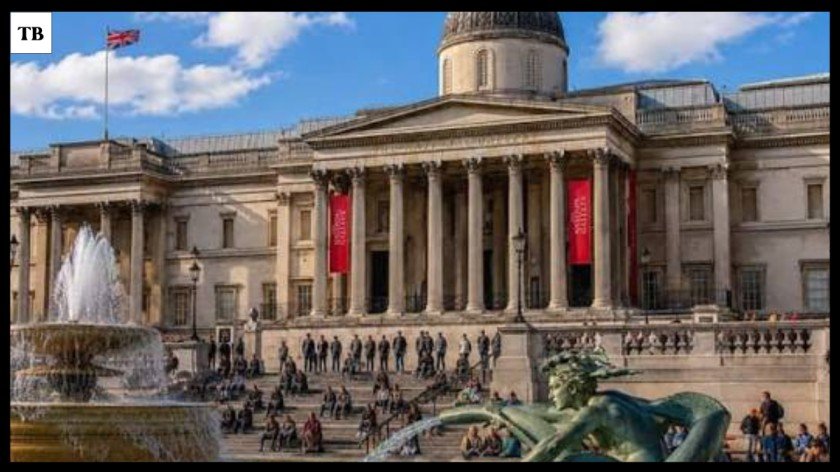
If you enjoy art, history or simply discovering interesting places in London, this famous gallery is well worth adding to your plans. Sitting beside Trafalgar Square, it brings together hundreds of years of European art, from beautiful Renaissance works to Claude Monet’s colourful water-lily paintings. You do not need to be an art expert to enjoy it, either. You can wander through the rooms at your own pace, find famous paintings, take a break at a café and browse the shops. Best of all, general admission is free, making it an easy and affordable stop during a busy London sightseeing day.
What Makes London’s Famous Art Gallery Special?
The National Gallery is one of London’s best-known art museums. It stands beside Trafalgar Square, close to several popular central London attractions. Its collection covers Western European painting from the 13th to the early 20th century. Visitors can move between rooms and discover works from many periods. General admission is free, although some special exhibitions require paid tickets.
One major attraction is the range of artists on display. You can find works by Botticelli, Van Gogh, Turner, Gainsborough and Monet. Each room offers a different style and story. This variety makes the museum suitable for both art lovers and first-time visitors. You can spend time studying famous paintings or simply enjoy the rooms at your own pace.
The location also makes the museum easy to include in a busy London day. After your visit, you can explore Trafalgar Square, Leicester Square or Covent Garden. You can also walk towards the South Bank or Westminster. This means you can combine art with sightseeing without travelling far between attractions.
Tickets, Booking and Opening Times
General admission is free, so visitors do not need to purchase a standard entrance ticket. The museum recommends booking a free advance ticket for general entry. This can make arrival easier and may provide faster access. Special exhibitions can have separate prices, so check the details before making plans.
Walk-up entry is also available for general admission. This gives visitors more freedom when they have a flexible London itinerary. However, advance booking can help during busy periods. If you want to visit a popular temporary exhibition, check its ticket requirements before travelling.
The museum normally opens from 10am to 6pm every day. On Fridays, it stays open later until 9pm. It closes on 24, 25 and 26 December and on 1 January. Café and restaurant times can differ from the main museum hours, so check those times separately when planning your visit.
Useful visitor points:
- General admission is free.
- Free advance tickets can help with entry.
- Some temporary exhibitions charge admission.
- Friday offers longer opening hours.
- Walk-up visitors can enter for general admission.
- Check special exhibition times before travelling.
What to See: Highlights and Famous Paintings
The collection is large, so first-time visitors may not know where to begin. The museum highlights several important works for visitors. These include Botticelli’s Venus and Mars, George Stubbs’s Whistlejacket and Monet’s Water-Lilies. These paintings come from different periods and show the variety of the collection.
Botticelli’s Venus and Mars offers a good introduction to Renaissance art. Venus watches over Mars while he sleeps. Small details add interest to the scene. Stubbs’s Whistlejacket gives visitors a very different experience. The painting places a horse at the centre of the work against a simple background.
You can also look for paintings by Van Gogh, Turner and other well-known artists. Trying to see everything in one visit can become tiring. Instead, choose a few paintings before you arrive. Then allow yourself time to discover other works along the way. Sometimes an unexpected painting becomes the most memorable part of a museum visit.
Monet and the Water-Lily Paintings
Claude Monet is one of the artists many visitors want to see. His paintings of water, flowers and reflections show his interest in changing light. Several works appear in the collection, including The Water-Lily Pond, Water-Lilies and Water-Lilies, Setting Sun. These paintings offer a good way to understand Monet’s later style.
Monet created many paintings based on his garden at Giverny. He studied the pond at different times and in changing light. His later works often remove a clear horizon or distant landscape. Instead, the viewer sees water, flowers, reflections and colour across much of the canvas. This approach gives the paintings a calm and unusual appearance.
If you enjoy Monet, give yourself extra time in the relevant gallery rooms. Look closely at the brushwork instead of viewing the paintings only from a distance. Notice how small changes in colour suggest water and reflections. Reading the information beside each painting can also add useful context to what you see.
Restaurants, Afternoon Tea and Cafés
A long museum visit can make you hungry, especially if you are travelling with children. Visitors have several places to eat and drink within the building. Ochre Brasserie offers British and European dishes, lunch and afternoon tea. It provides a convenient place to rest without leaving the museum.
Osteria Locatelli gives visitors an Italian dining option with views towards Trafalgar Square. Muriel’s Kitchen serves bistro-style dishes, salads, quiches, cakes and pastries. For a quicker break, Bar Giorgio offers coffee, tea and Italian maritozzi. The Espresso Bar also serves drinks, sandwiches and sweet treats.
Afternoon tea can turn a museum visit into a more relaxed outing. It gives you time to sit down before exploring more galleries. Restaurant hours can differ from the main museum schedule. Check the latest opening times if you have a fixed itinerary. Booking may also help when you want to eat at a particular time.
Shops, Facilities and Visitor Tips
The museum has several shops with different types of products. The Portico Shop sells prints, jewellery, homeware, T-shirts and accessories. Crivelli’s Bookshop focuses on books, magazines and specialist art titles. Other shops offer guidebooks, souvenirs, art materials, prints and gifts. These stores can be useful if you want something connected to the paintings you have seen.
Planning your route can save time during a first visit. If you want to see a particular painting, check its room location before entering. Most of the main galleries are on Level 2. Room numbers help visitors find individual works. The museum also provides maps to help people move around the building.
A few simple habits can make the visit more comfortable. Wear comfortable shoes because you may walk for several hours. Take short breaks instead of trying to see every room. Food and drinks should stay in the designated café and restaurant areas. Families can also use facilities such as baby-changing areas and a buggy park.
Also Read. British Museum Exhibitions Complete Guide
(FAQs)
What is the most famous piece in the National Gallery London?
Popular highlights include Monet’s The Water-Lily Pond, Botticelli’s Venus and Mars, Stubbs’s Whistlejacket and van Eyck’s The Arnolfini Portrait.
Can I just walk into the National Gallery?
Yes, visitors can walk in for free general admission, although advance booking is recommended for fast-track entry.
Is it free to visit the National Gallery in London?
Yes, general admission to the permanent collection is free, while some temporary exhibitions and special events require paid tickets.
What should I not miss during a visit?
Do not miss Monet’s The Water-Lily Pond, Botticelli’s Venus and Mars and other major highlights from the permanent collection.
How long should I spend at the museum?
Allow around one to two hours for the main highlights, or two to three hours if you want to explore more rooms and artists.
Conclusion
A visit to this famous London art museum is a lovely way to spend time surrounded by great paintings, history and culture. From Monet’s peaceful water-lily scenes to Renaissance masterpieces and striking British works, there is plenty to enjoy, even if you are not an art expert. Free general admission also makes it an easy attraction to add to a London day out. You can take your time exploring the galleries, stop for a coffee or meal, and browse the shops before leaving. Whether you have just an hour or several hours to spare, planning a few favourite paintings can make your visit truly enjoyable.